
The Moon – History and Description – The DiPietro Hypothesis
Authors: DT Smith, SB DiPietro
DiPietro Hypothesis
The Moon is from no planet’s collision with Earth. Our Moon is a product of the melt off of our Cold Star, the Sun. We call this Cold Star, Hyperion a Greek God “he who goes before” and father of the Sun.
The Moon is from the molten Umbilical that attached the Earth to Hyperion, our Sun when it was a Cold Star that melted down.
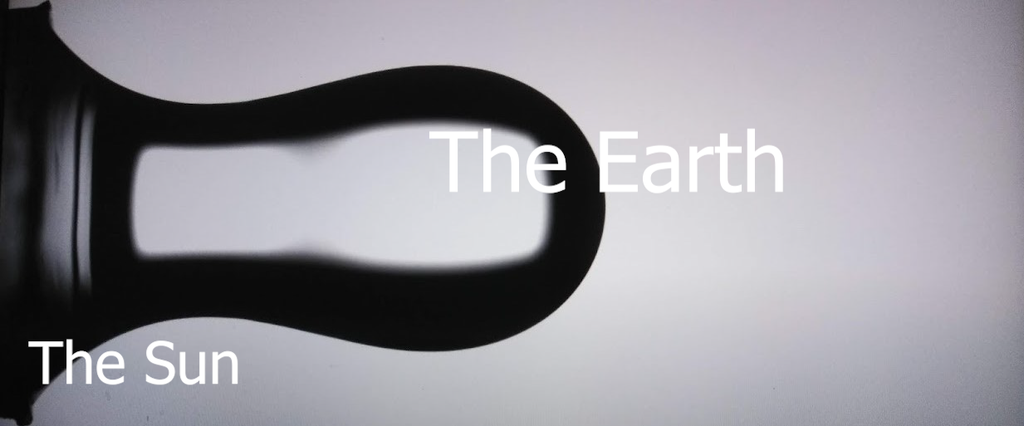
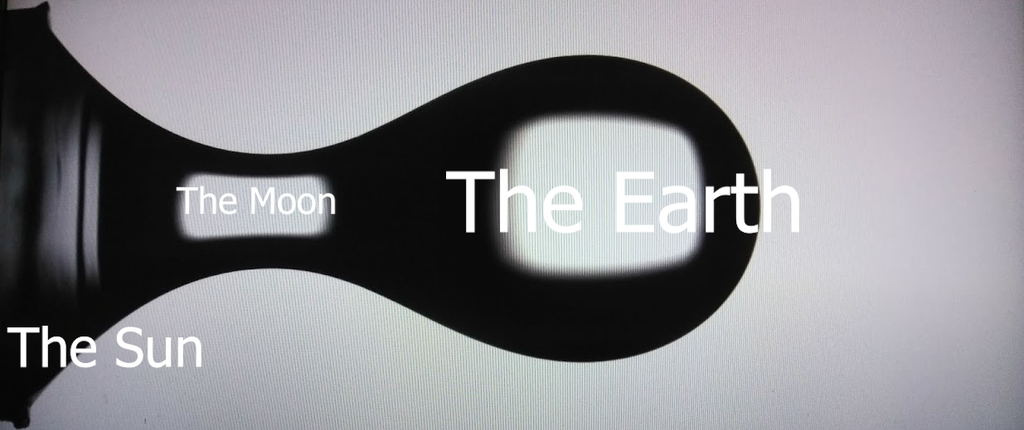
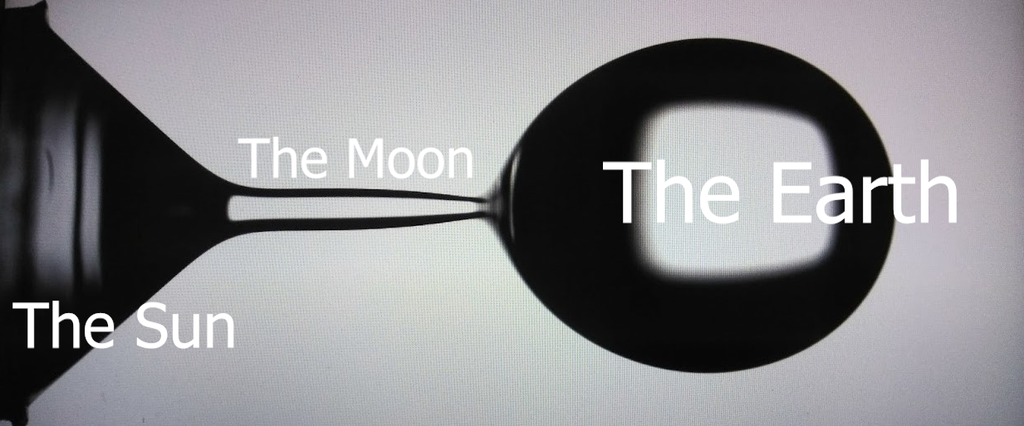
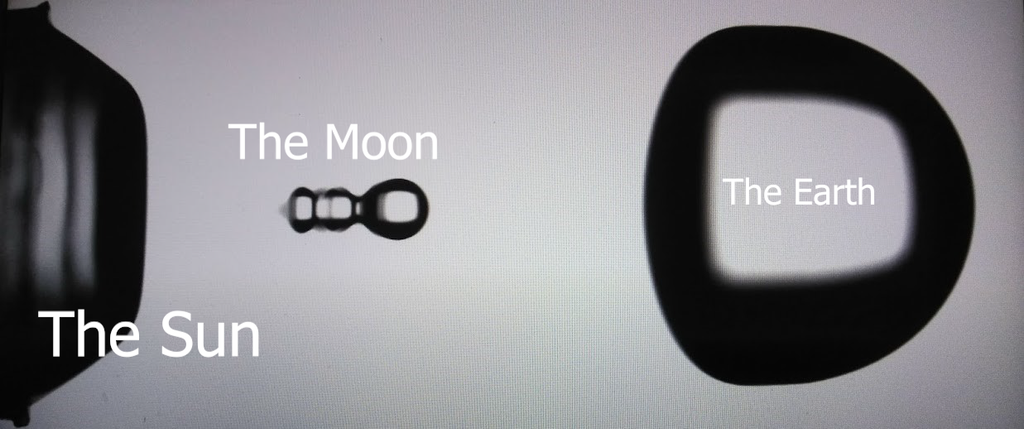
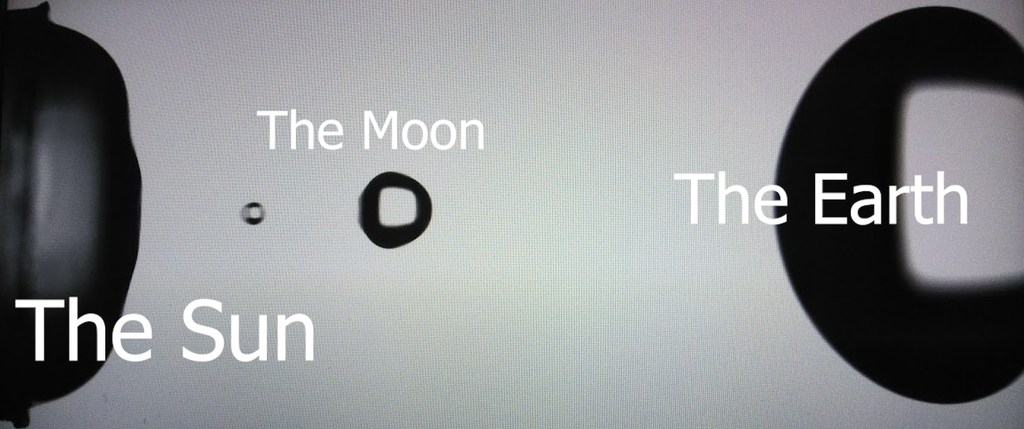
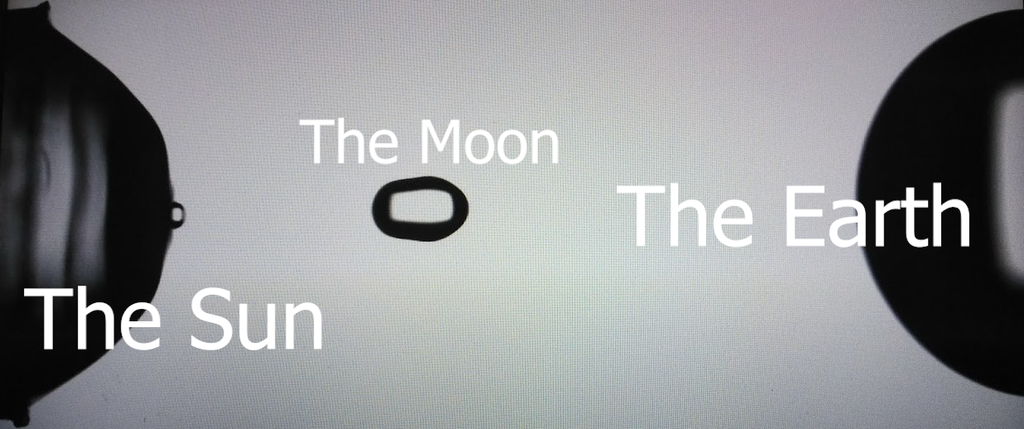
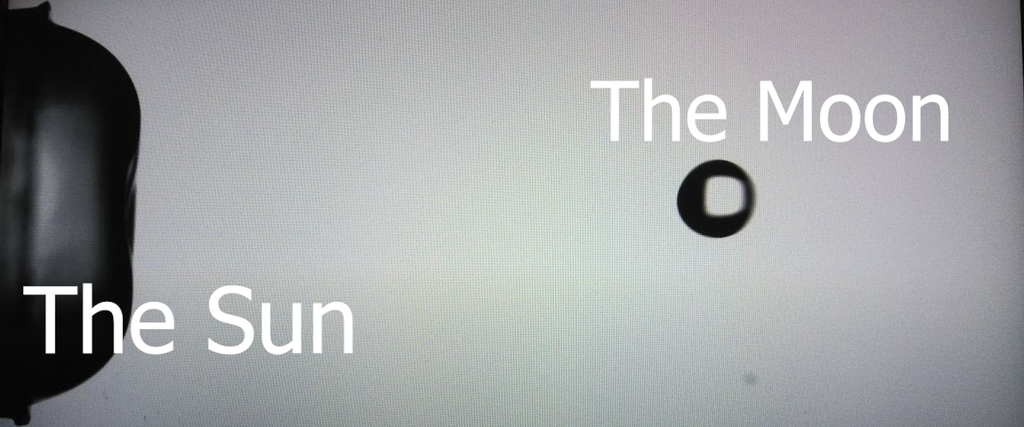
See Video How the Earth and Moon Formed https://youtu.be/2r-zaWF6S_M
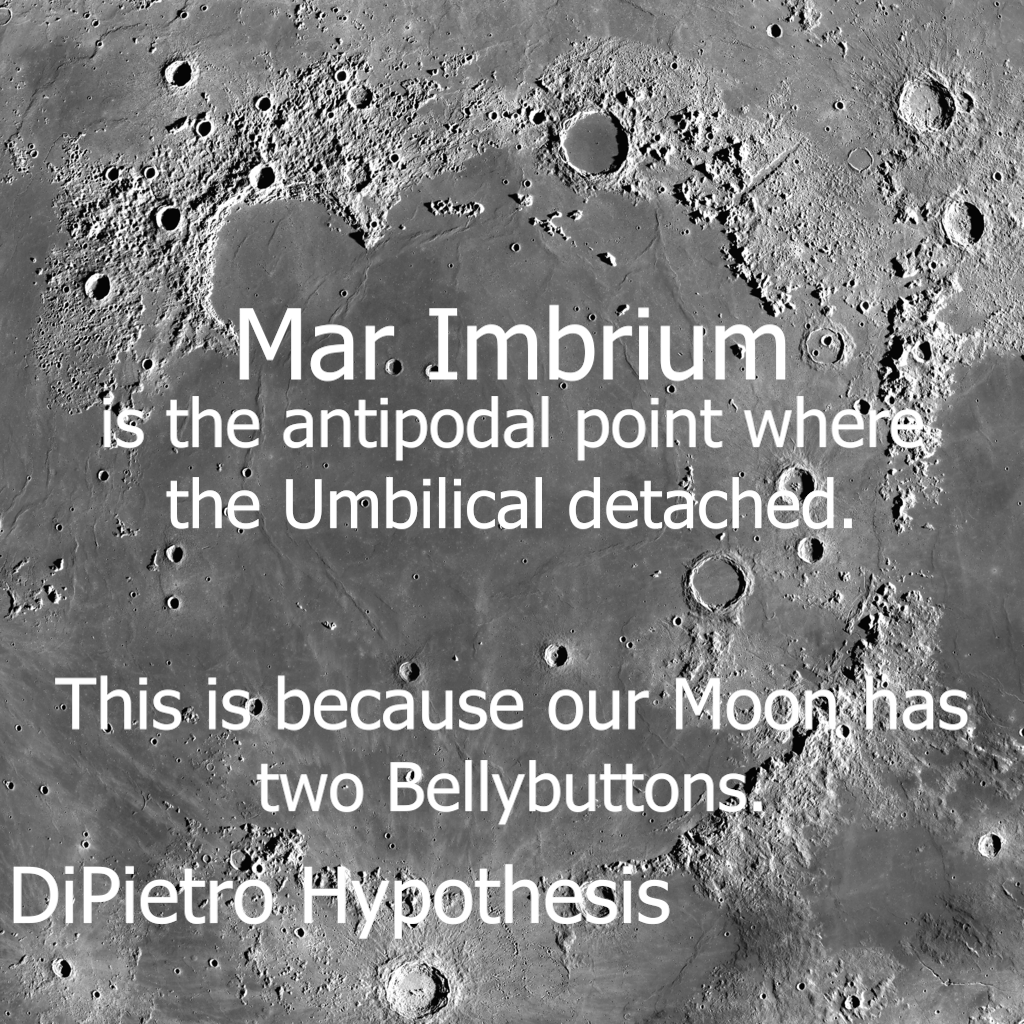
The proof of the Moon forming from the Umbilical between the Cold Star and Earth is that the Moon will have two Bellybuttons, in Italian due Ombelici. These two Bellybuttons are at the antipodal point of each other. One is the South Pole Aiken Basin and its antipodal point is Mare Imbrium. Scientist call the South Pole Aitken Basin “the largest impact crater in OUR Solar System.” We completely disagree. For that size of impact the depth is not there. There are NO ejecta rays. The “impact” is dead zero center of the Moon.
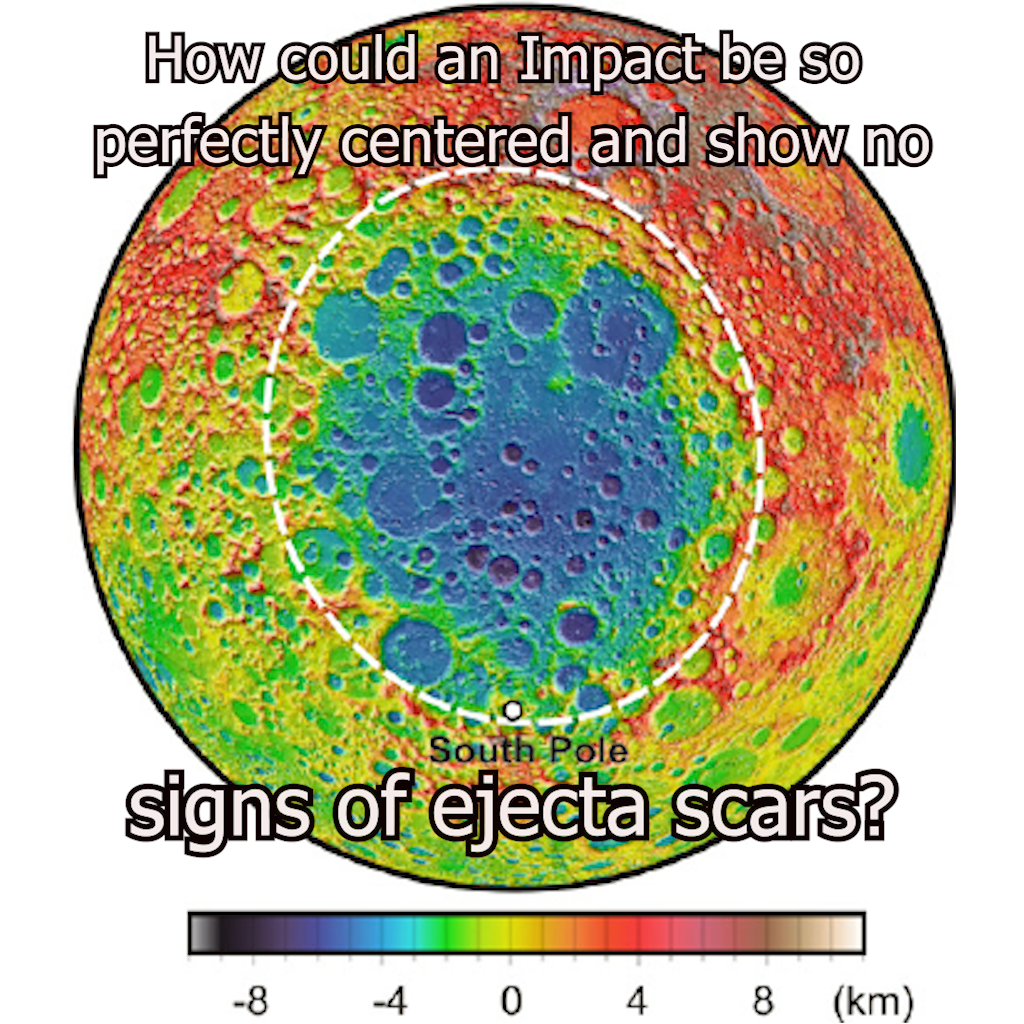
The South Pole Aitken Basin is not an impact crater, it is a Bellybutton scar, Ombelico from the Umbilical detaching and the other Bellybutton scar is Mare Imbrium. Mare Imbrium is not an impact crater. These two Bellybuttons are solid proof the DiPietro Hypothesis is correct and the Giant Impact Theory is wrong.
The Moon was a complete molten sphere of stardust plasma from the Umbilical which was composed of the Earth’s lithosphere and slush. That will be explained in another paper. For the Moon to become completely round, it was in a molten form as it contracted from the Umbilical.
See video How the Earth and Moon Formed https://youtu.be/2r-zaWF6S_M.
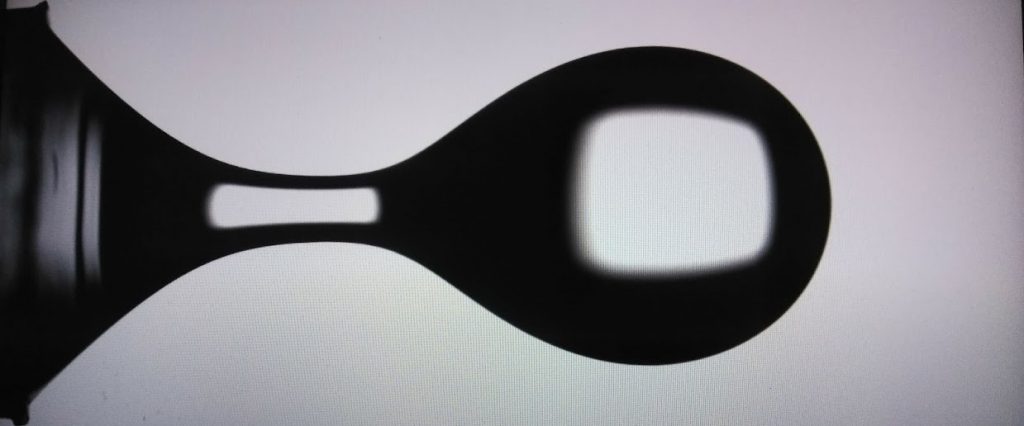
As the Moon cooled, leaving thousands of stardust “mud” craters from the internal water steam rising to the surface as the gravity from the Earth pulled on the Nearside and the Sun’s gravity pulled on the Farside. The reason there are so many craters on the Farside of the Moon is that the Sun’s gravity pulled the heated water and steam out of this molten sphere to create thousands of “mud” craters on the Farside of the Moon.
There are very few impact craters on the Farside of the Moon. Those are all “mud” craters.
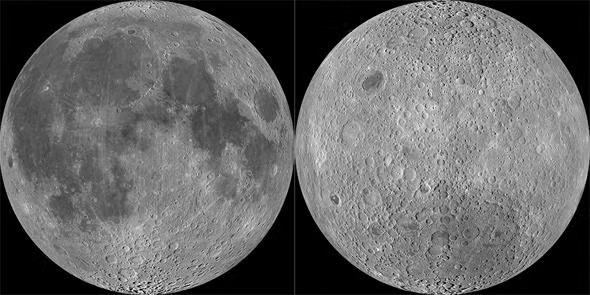
The Mares of the Moon’s Nearside were created by lighter minerals and elements embedded in this stardust plasma of the Moon. This concoction of minerals and like-elements bonded with anorthosite, magnesium and titanium which were lighter and were pulled to the surface by Earth’s gravity from the interior of this heated up molten plasma sphere. The Earth’s gravity brought these bonded lighter elements to the surface creating Mares on the Nearside. While the heavier elements, nickel and iron accreted to the center of the Moon and formed the Moon’s core.
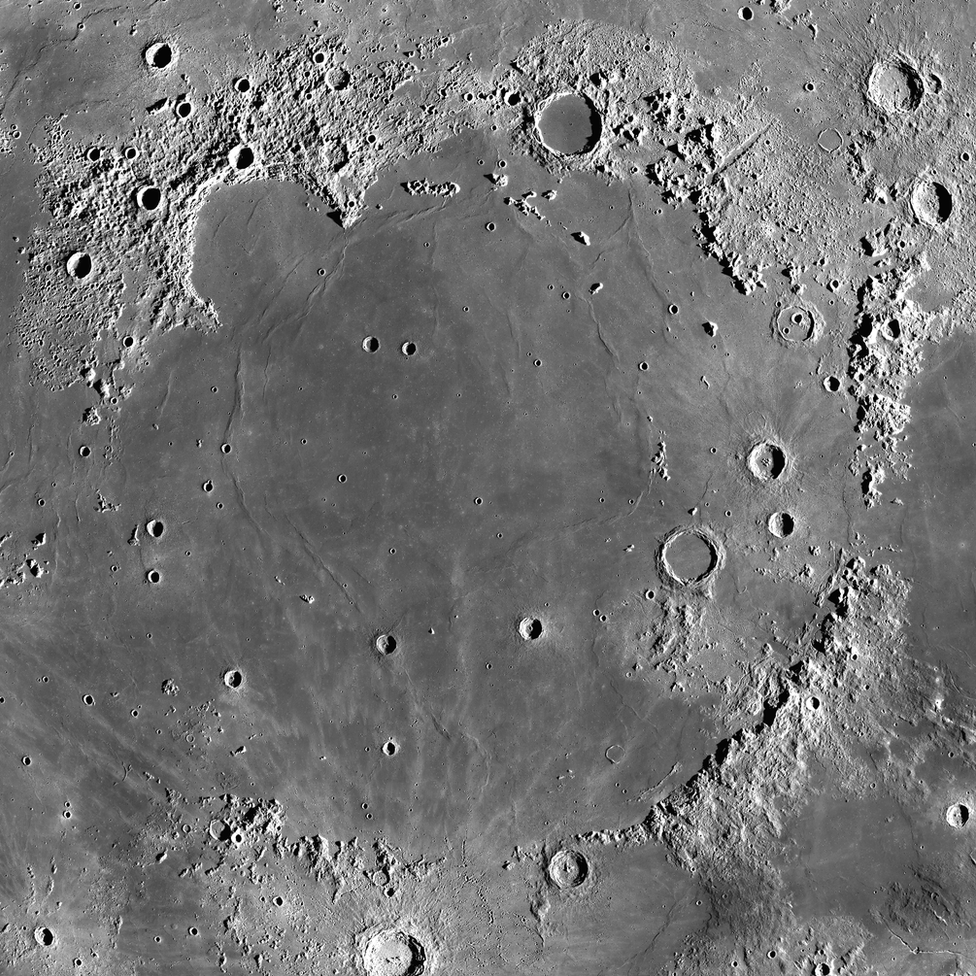
This molten sphere of heated-up plasma surfaced all the internal water and lighter elements to the exterior of the Moon creating Mares on the nearside and “mud” craters on the farside. The reason scientist have been tricked about the Moon’s craters is that they look like “impact craters”, but are in fact giant “mud” craters with layers of bubbling stardust mud for millions of years. They look like “impact craters” because they have a central peak, which in fact is the collapsed mud bubble from millions of years ago. Please, review the craters of the Moon. Plus, there is no ejecta rays from these massive “impacts.”
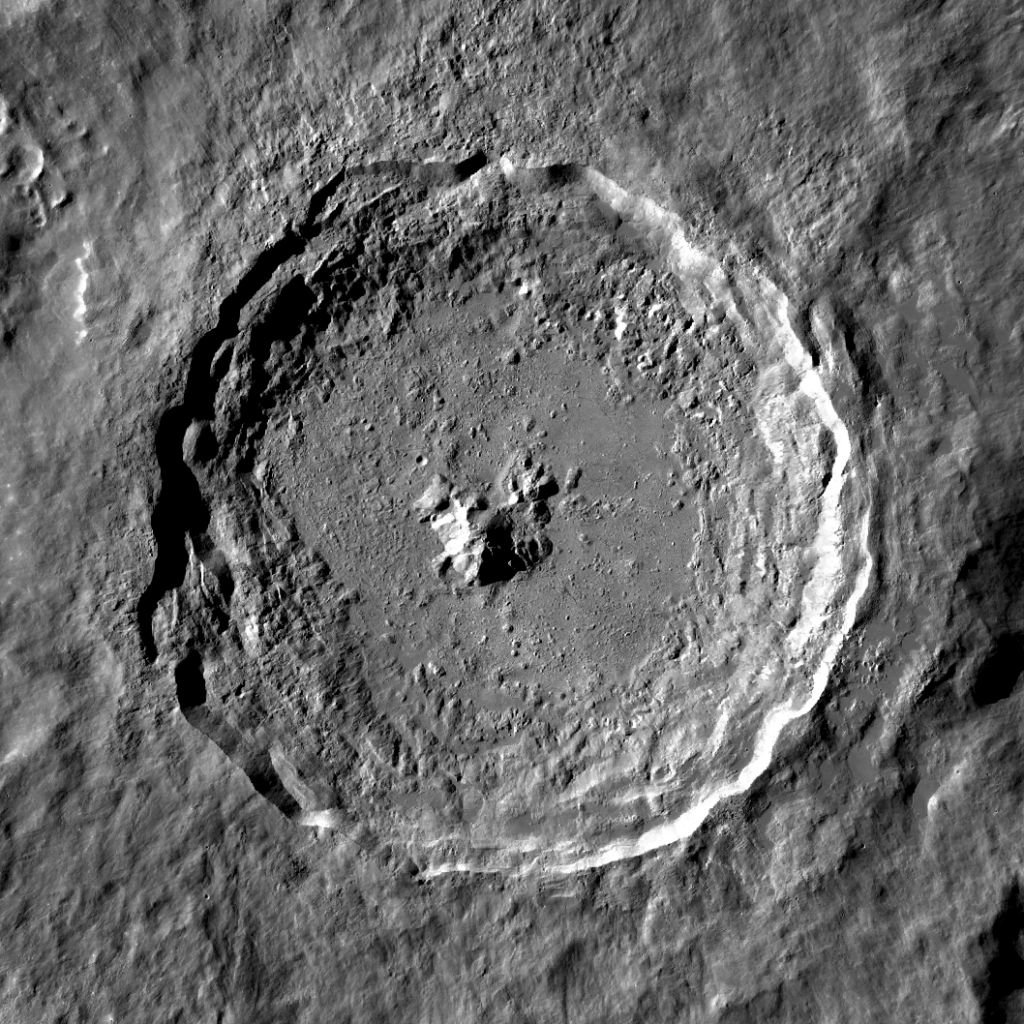
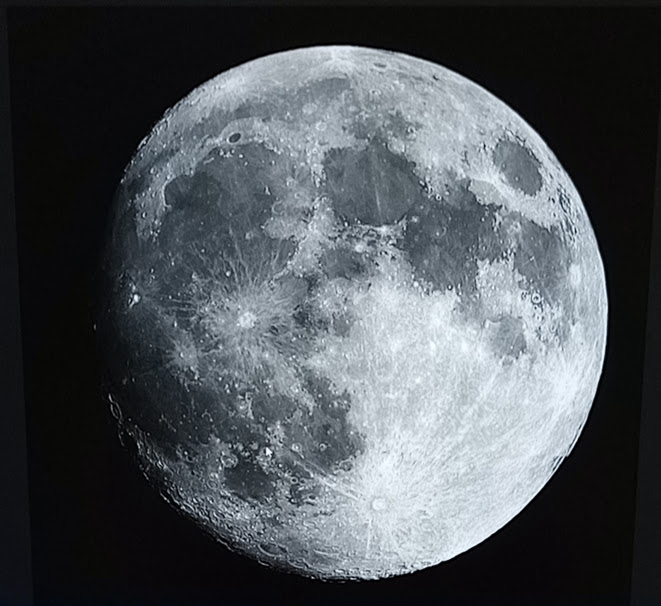
You can see on the Tyco Crater on the Moon that has a Central Peak, which is collapsed bubbles of steam and mud from millions of years. That is why there are layers on the edge of the crater. It is obvious. Plus there are no ejecta rays or no sharp impact angles anywhere. Scientist have these craters all wrong on the Moon.
This expulsion of material from the interior of this molten sphere to the surface of the Moon created 75% of the craters the Moon, maybe more. Most of these craters are stardust “mud” craters. The stardust is the Lithosphere of Earth, that is what the Moon is made of.
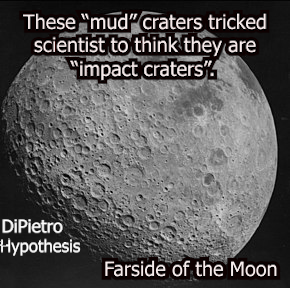
The Lithosphere is lighter so it coated the outside of the “drip”, see photo above and through physics the Umbilical that attached Earth to the Sun formed into the Moon. See video and images.
The Moon is as old as Earth and is made from Earth’s molten Lithosphere.
There was never any volcanism, lava or magma on the Moon from volcanoes!
The Moon is not from a collision from a planet hitting Earth.
D.T. Smith and S.B. DiPietro
Short History and Description of the Moon
The Creation of Our Solar System and Life on Earth
DiPietro Hypothesis
Copyright 2024