
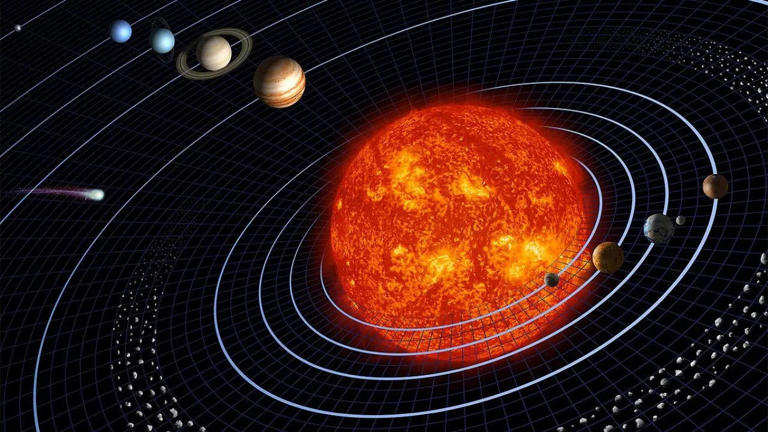
The Creation of the Solar System and Life on Earth – The DiPietro Hypothesis
Authors: DT Smith, SB DiPietro
DiPietro Hypothesis
In the beginning after the Big Bang and shortly after in geologic time, between 200 and 800 million years, the beginnings of our Star is born and for 9 billion years a cycle of stars created our Solar System. In that process of this Star growing and recycling and creating a cycle of nebulas and stardust that eventually contracted over billions of years from gravity and accretion. This created a “crusted” Cold Star with ice, stardust, star waste, thermal heat, water and life with a nuclear inner core that formed during the recycling process of this Star. This ColdStar is from the massive debris field left over from this succession of Stars building, recycling and creating stardust. Around this Cold Star was a massive debris field, a debris disk around this forming star. This Debris Disk fed this growing star to create our Solar System. This Debris Disk accreted to the surface of this Cold Star from its immense gravity and no solar rays.
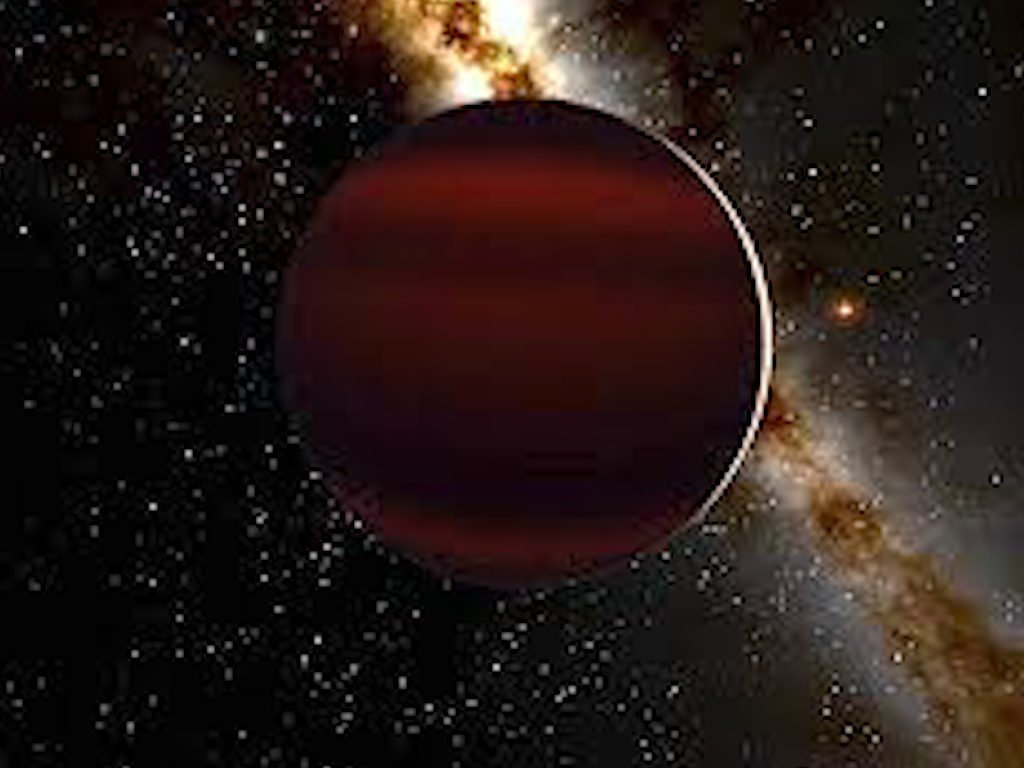
This new Star(our Sun) is similar to the Red Dwarf Star AU Microscopii or the Trappist-1 system, which our Sun was at one time. Whether it’s a cold dwarf star or a main sequence star that was smothered by star waste, stardust and ice, that is for Scientist to figure out. There are many stars that are similar to our Sun 5 billion years ago that consumed huge debris disks and were cooled down from eating their debris disk.
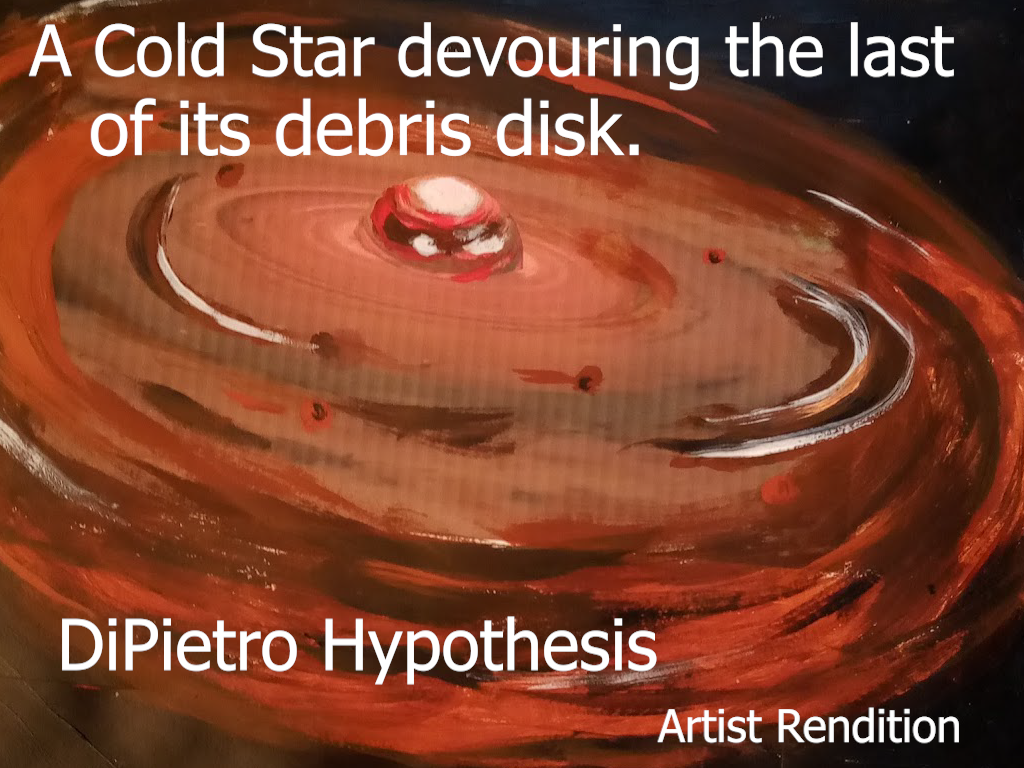
We use Red Dwarf Stars for a model, a Star with ice caps and cool spots, that also have debris disk. Our Sun 5 billion years ago was 30% dimmer and had a debris disk that it devoured. Whether it was Red Dwarf Star, Orange Dwarf Star or a Yellow Dwarf Star, does not matter. We know that our Solar System formed from stardust, star waste and ice that accumulated on the Sun’s surface for billions of years before the Earth was born. The Earth and all our planets and moons were NOT born in a “protoplanetary disk”. NASA has found hundreds of these Cold Stars in all kinds of temperatures from really cold to tropical conditions. NASA classifies these Cold Stars as “failed stars”. We think they are wrong and NASA has only explored a tiny percentage of our Universe, so there are a lot more out there.
These Cold Stars are low light and high thermal energy that produce waste and has layers of ice, whether on the Ice Caps or Cool Spots. The process at arriving at our Star, the Sun, was a process of several life cycles of stars and billions of years to create our “Star-Planet Maker”, we call Hyperion. Hyperion, a Greek god, “he who goes before” and father of Helios the Sun.
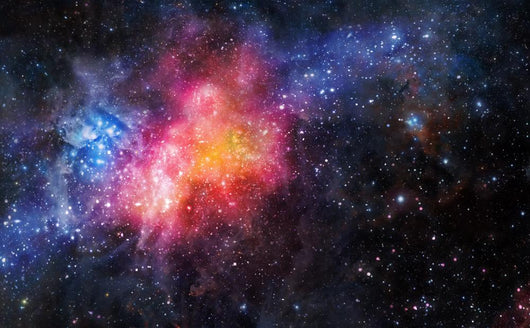
Our Star the Sun started as a gas cloud nebula, 13.2 billion years ago. Like the hundreds of nebulae that are visible to humans on earth today, are all unique in size, shape, form and composition. When this nebula organizes, which can take millions to billions of years, they create a Star furnace of nuclear fusion that starts the process of gathering fuel and everything else that comes along into its new gravitational pull. This nebula star survived, thrived and was greedy with its gravitational pull on its massive debris field. This new Star brough everything into its environment for lasting fuel creating a functioning Star, our Sun. All the matter in the disk, stardust, waste from the star burning fuel and Ice and Ice water stayed on the surface of this Cold Star . This Cold Star had amazing gravity, because the Solar Force was diminished by the surface coating of stardust, starslag and starwaste.
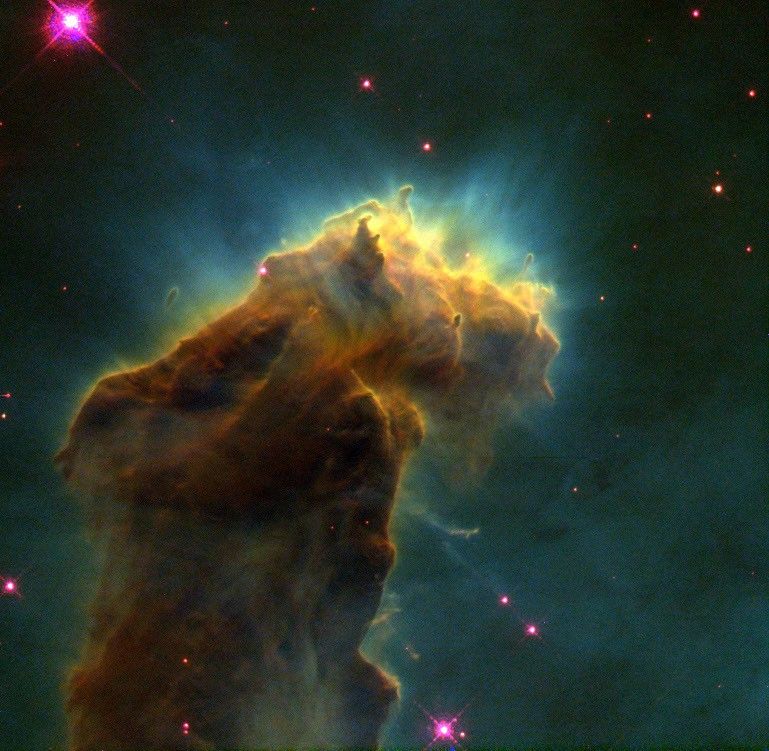
This Star creates gravity and accretion as the Star-Planet Maker with a nebula of stardust, gas, mass and Star fuel. The heavier material sinks to the core and what isn’t used for fuel, stays on the surface of the Star as a slurry of stardust minerals and elements that combine with slag, waste and ice, creating starwaste.
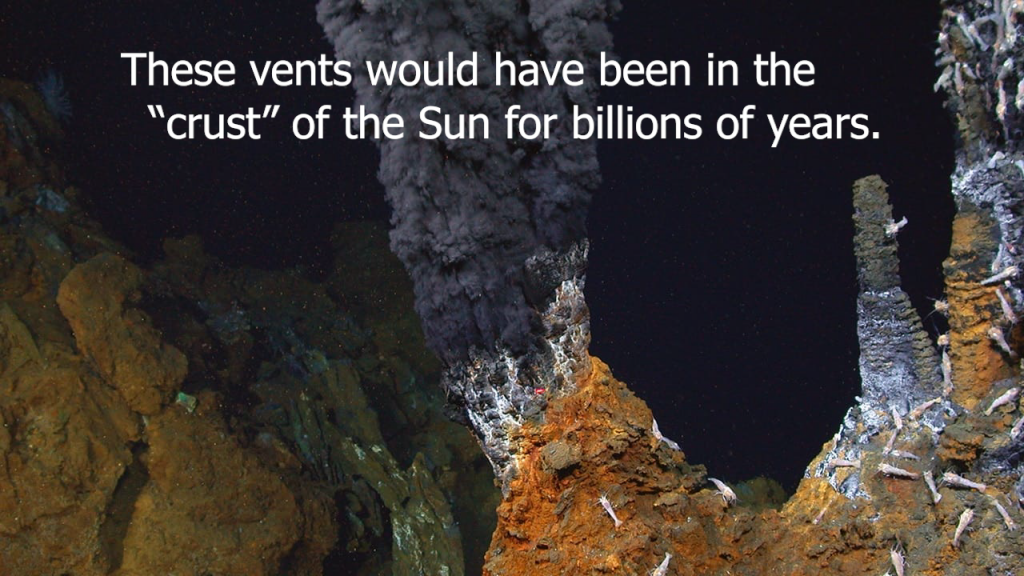
This cycle and process over 9 billion years creates a Star with all the ingredients to start life. After a few billion years this Star creates an environment and within that, it starts the process of creating landmass from star magma and star waste that is created from the massive amount of waste and slag from the nuclear core burning fuel. Thermal vents are also created and they vent and expel waste. The isolated position of this new Star in our corner of the universe, with huge amounts of hydrogen available and extremely cold temperatures and NO star to heat it up. Our Sun created its own internal thermal energy for life. The results of that is waste and a release of hot mineral rich waste as in these thermal vents on Earth.
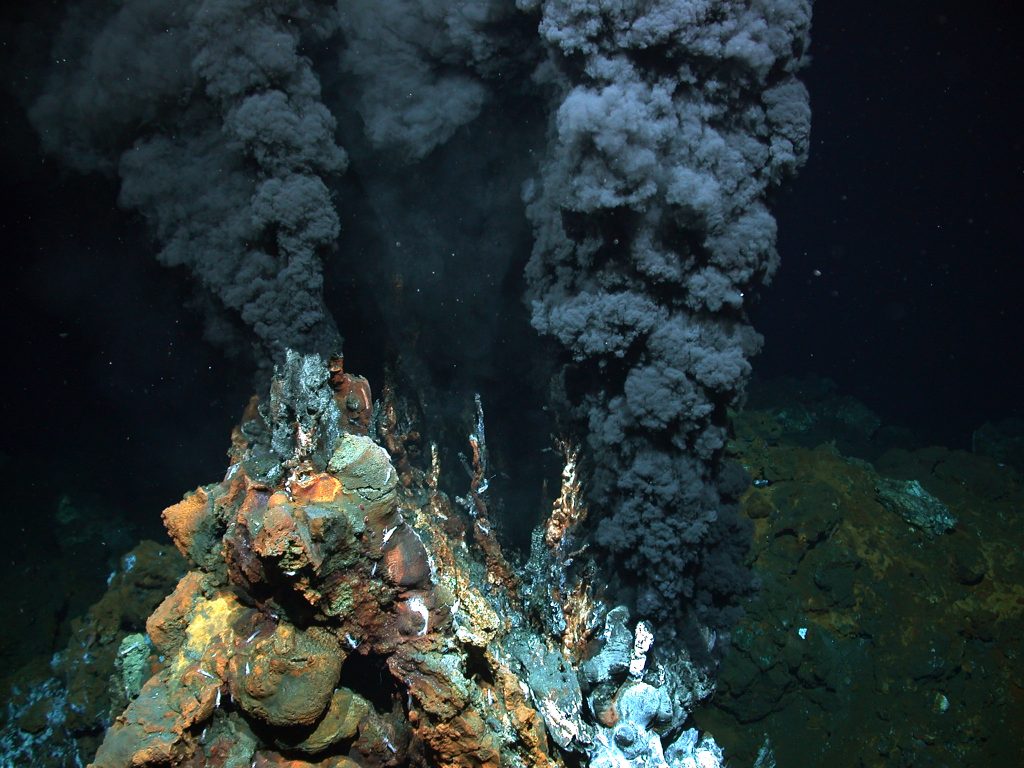
The environment of extreme cold, creating ice caps, cool spots with warming thermal instruments with the abundance of minerals and ice on this multi-billion-year-old Star. These thermal vents created the warm water environment to create and start the beginning of primitive life forms from billions of years of existence.
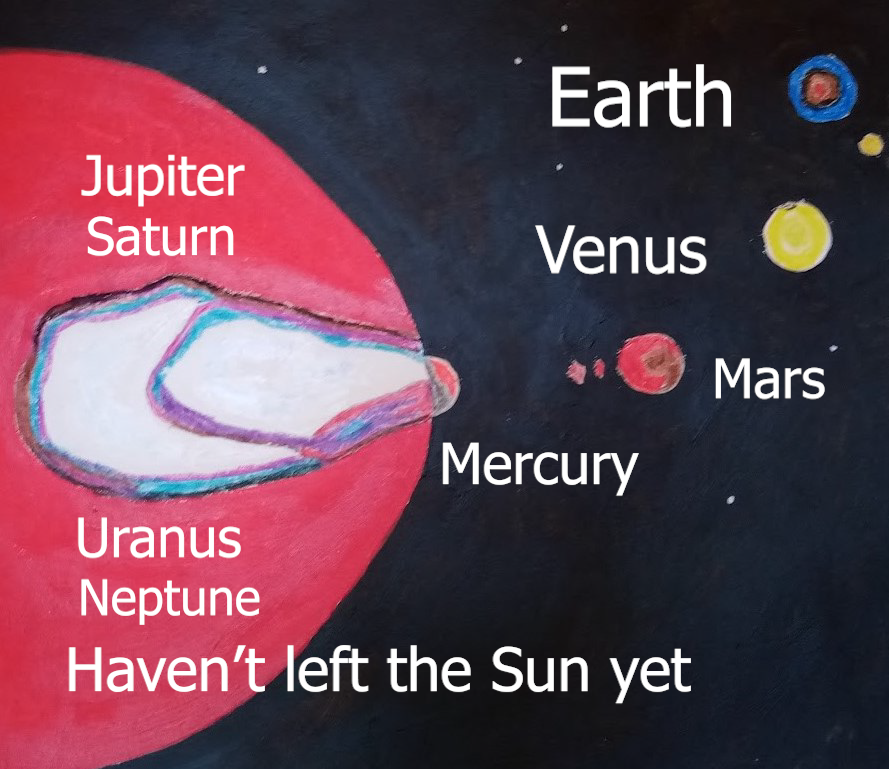
When Hyperion, our Star, melted down after 9 billion years of existence, from nebula to Star-Planet Maker with atmosphere. The meltdown then took a few million years, a short time in geological time, compared to building its existence. The first results of the meltdown were four terrestrial planets that “dripped” off at the equator bulge of this spinning star.
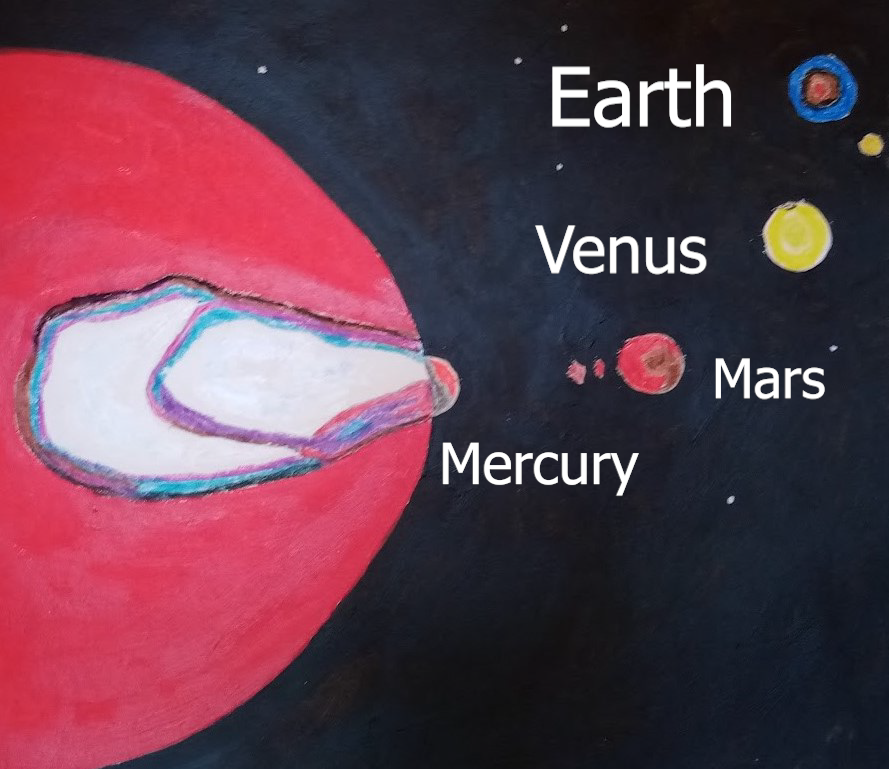
They were completely molten and rounded as they “dripped” off into the “Gravity Disk” of our Sun, the elliptical plane.
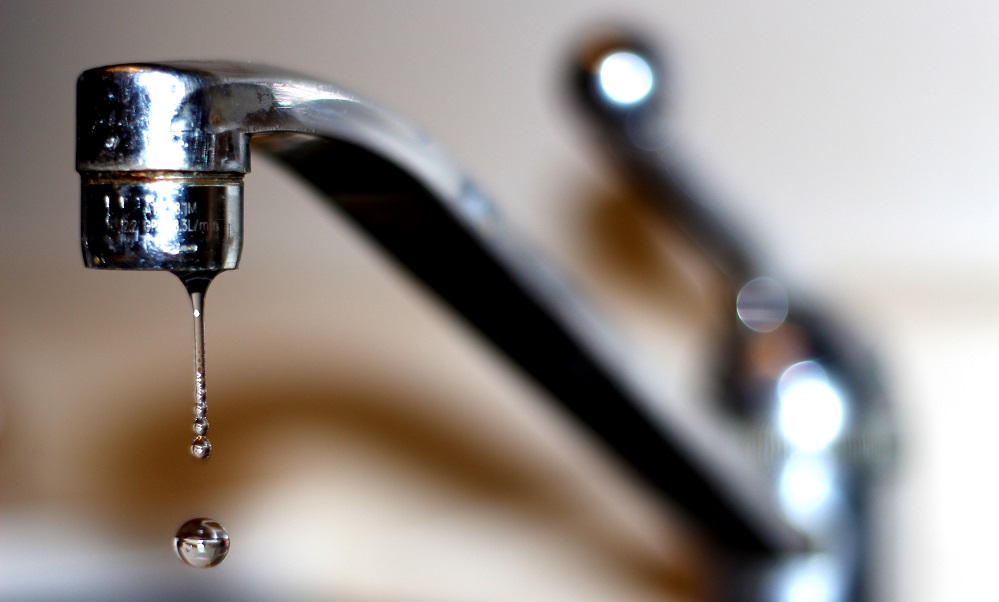
The planets then separated from their Umbilical which created numerous moons and asteroids. Depending on their density, viscosity, makeup and molten material, each planet “dripped” off and distanced itself from the early pre-Sun and its magnetic pull. The powerful gravity of the Star-Planet Maker restricted the distanced of each planet based on its scientific composite and the boiling force used to expel them from the outer shell. All planets “dripped” off the “crust” of Hyperion as the spinning forced the planets to leave under tremendous centrifugal force. Each planet was molten and liquid, containing solids, rocks, slush, water and ice when it dripped off Hyperion. In a short geologic time that molten drip of stardust plasma and liquid base with solids, turned perfectly spherical.
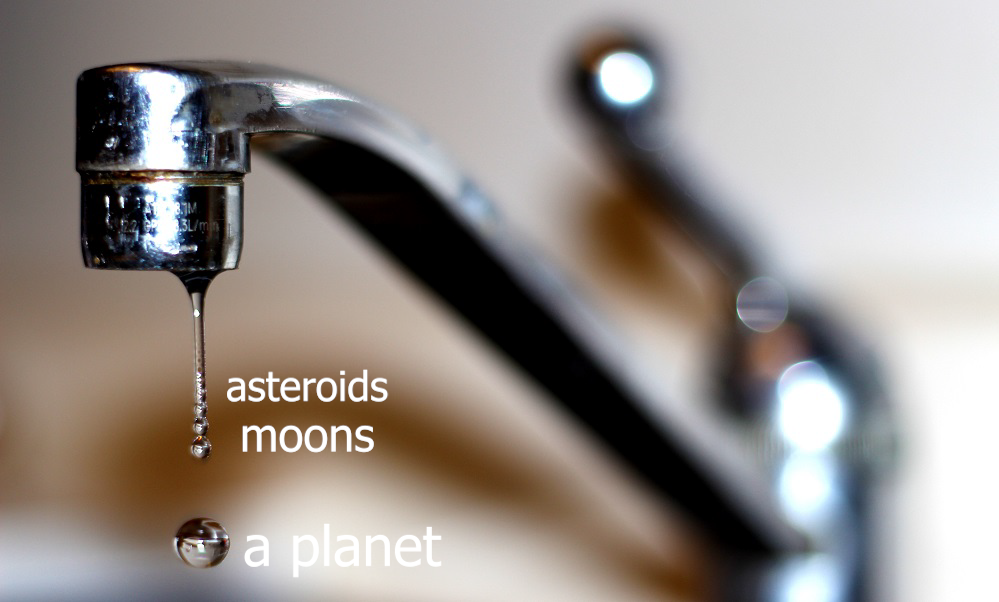
These planets turned spherical as quick as a drip from your faucet.
When you watch the slow-motion video of a drip of liquid, you can see the planet drip off and the Umbilical forms into numerous shapes depending on many factors. Leaving a scar on both. This includes moons, diamond shaped asteroids, contorted cylinders, barbell, peanut shaped, potato and pan shaped asteroids.
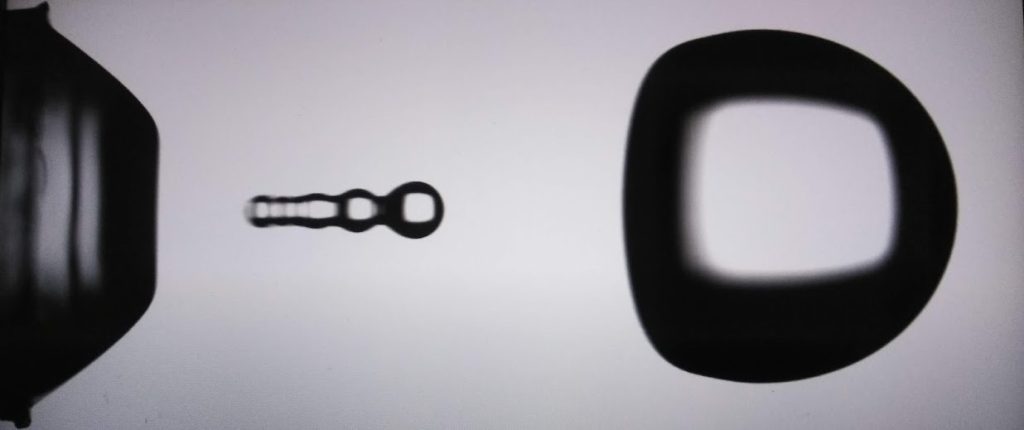
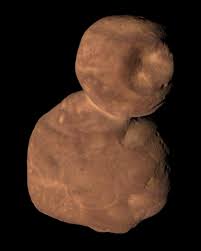
Depending on the makeup and density these forms, they will freeze in Space like Diamond Shaped Asteroids or Peanut Shaped. See our YouTube videos How the Earth and Moon Formed https://youtu.be/2r-zaWF6S_M
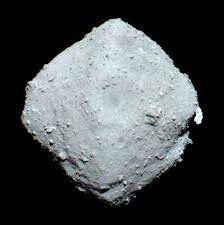
See video Asteroids Bennu and Ryugu https://youtu.be/JW0vqqKEtGc
Bennu and Ryugu are from the Umbilical of a Planet. These videos show how some asteroids and moons form.
When the Earth left Hyperion, it was attached with an Umbilical that separated as the Earth distanced itself from Hyperion.
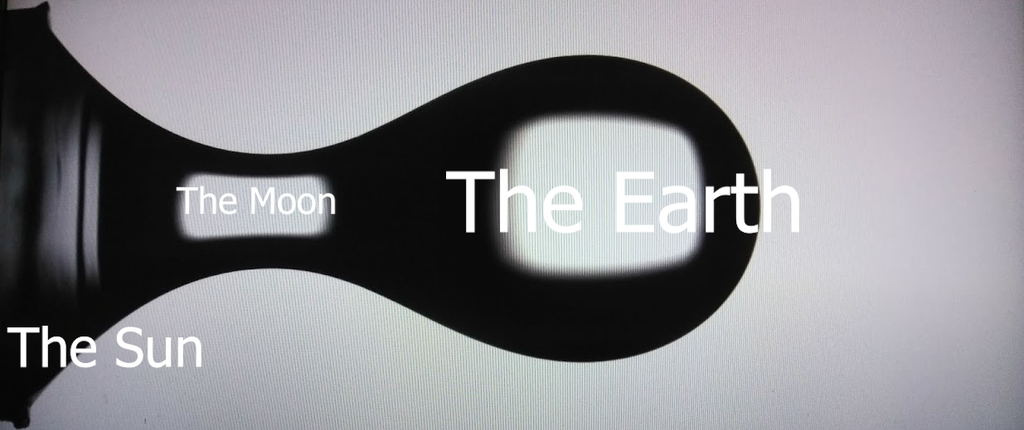
The same Umbilical attached to the Earth’s drip when departing from its source, turned into our Moon. This separation created a “Bellybutton”, in Italian Ombelico a scar on Earth and the Moon. On the Moon there are two Bellybuttons, due Ombelichi.
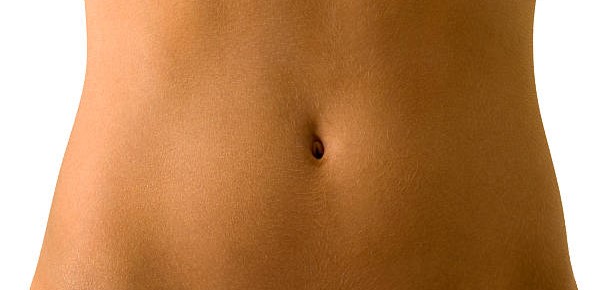
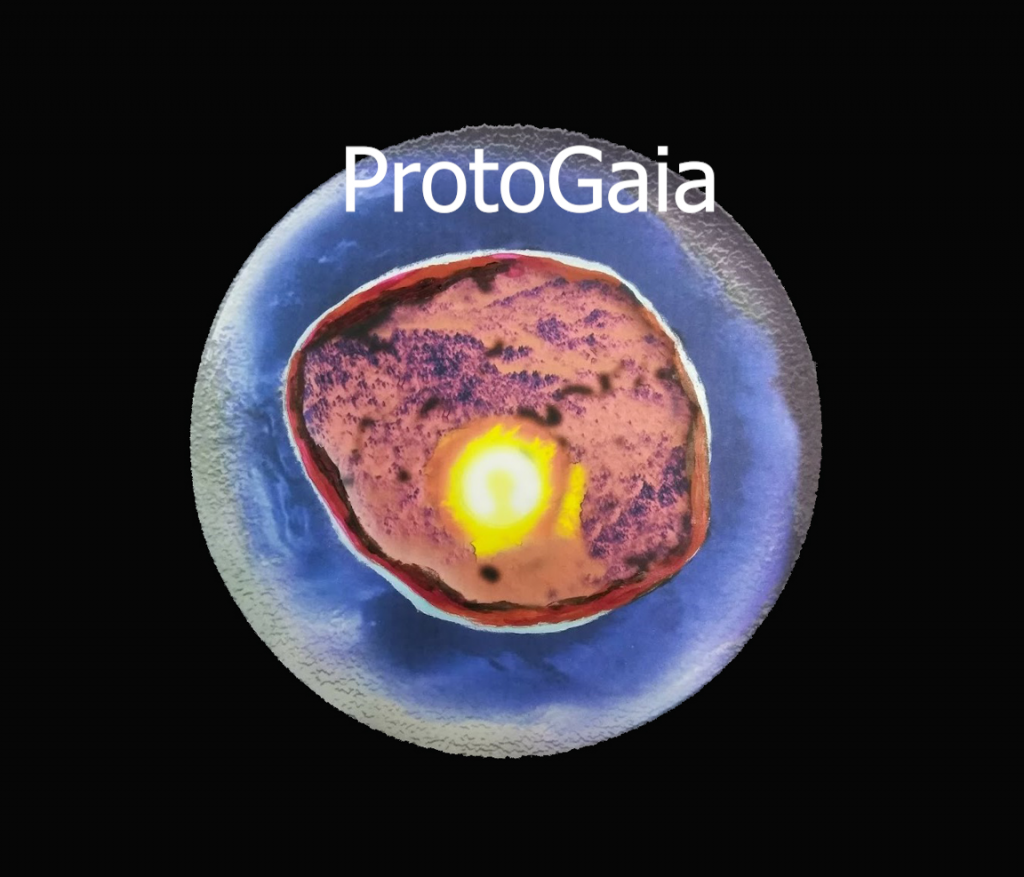
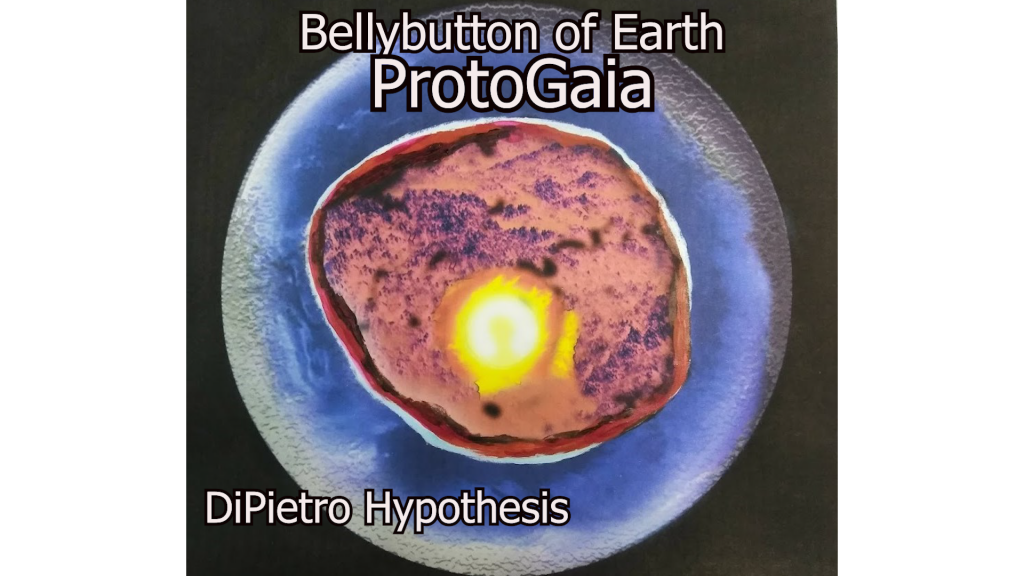
The Bellybutton of Earth was the landmass that we call the seven continents. This floating landmass of star slag and stardust was a giant near-circular formation of 58 million square miles. We call ProtoGaia, Gaia is Greek for Earth, the original Earth Goddess, floating on the surface of Earth.
See list and images of all planets and moons with Bellybuttons at end of paper.
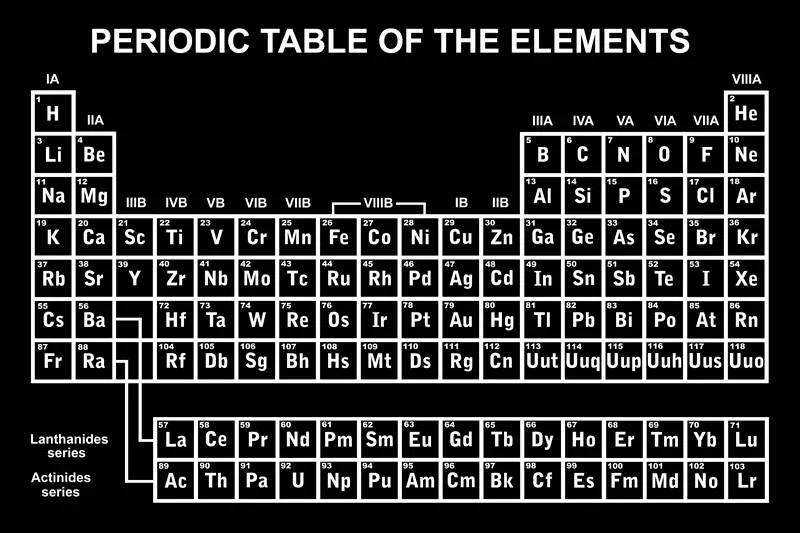
ProtoGaia, was the accumulated starslag, starwaste and stardust of a 9-billion-year-old recycled Star, which was on Hyperion’s outer crust, Cool Spots and Ice Caps. This rich slag had accumulated around the equator, as the physics of a Cold Star meltdown, gravity and spin would apply to this new Star-Planet Maker, Hyperion expelling its “crust” as planets. This Star-Planet Maker’s luscious “crust” was the makeup of Earths composition which included every mineral and element on the Periodic Tables!
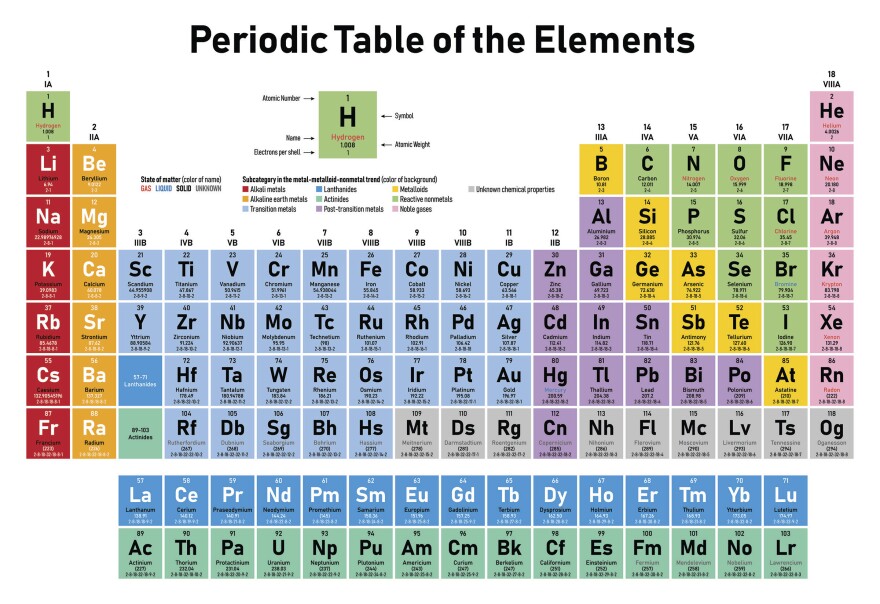
Earth did not attract every mineral in the universe sitting in the middle of a solar nebula disk, nor did comets, asteroids and meteorites deliver those minerals and water to Earth. All those minerals and water came in one big drip off of Hyperion. Earth was the first to leave Hyperion, Earth received the richest starslag, starwaste and stardust, that is what created our landmass with every mineral and element in abundance. We are positive about that!
The Earth leaving Hyperion was carrying with it rocks, metal, minerals, water, ice, mantel and molten core along with the beginnings of primitive life in this massive drip. The Earth was the richest part of the Hyperion Crust and came off first with landmass, water ice and slush. For this reason, scientist today are locating blobs of material in the interior of Earth. This will have to be modeled.
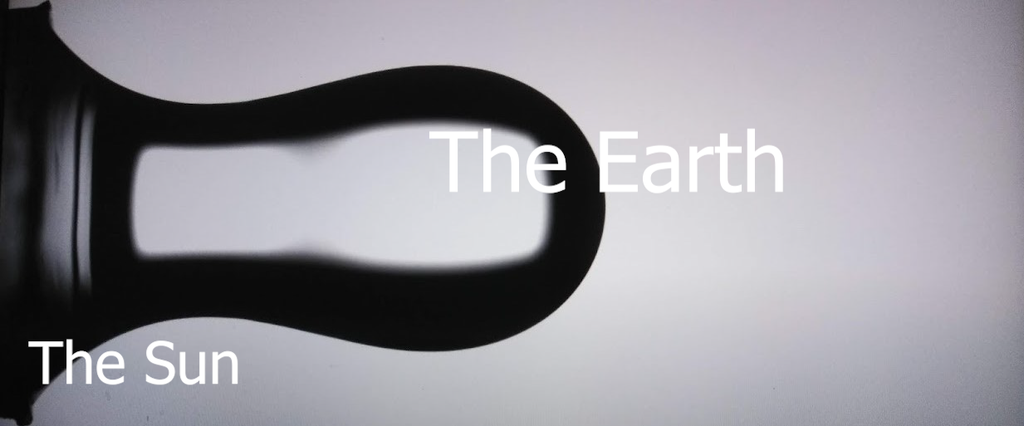
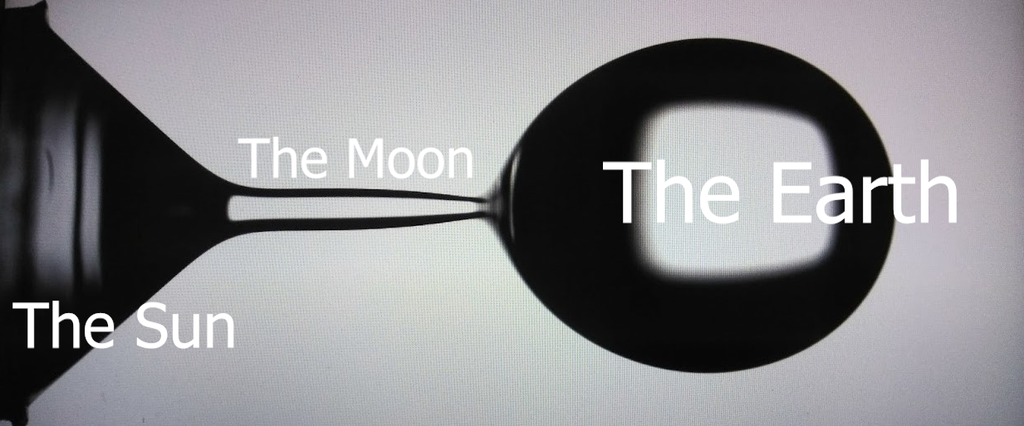
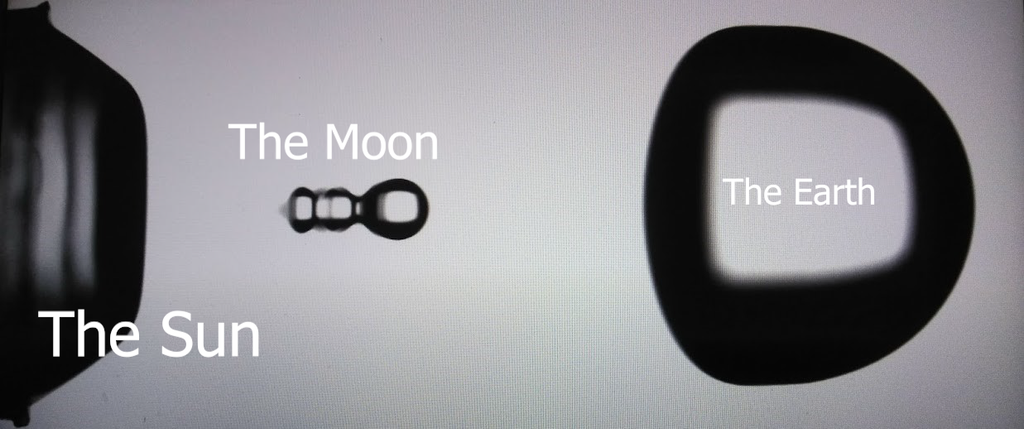
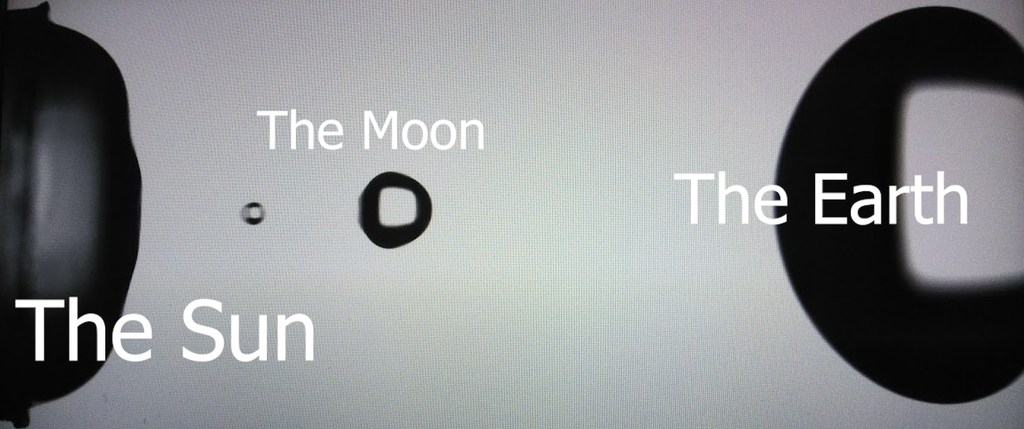
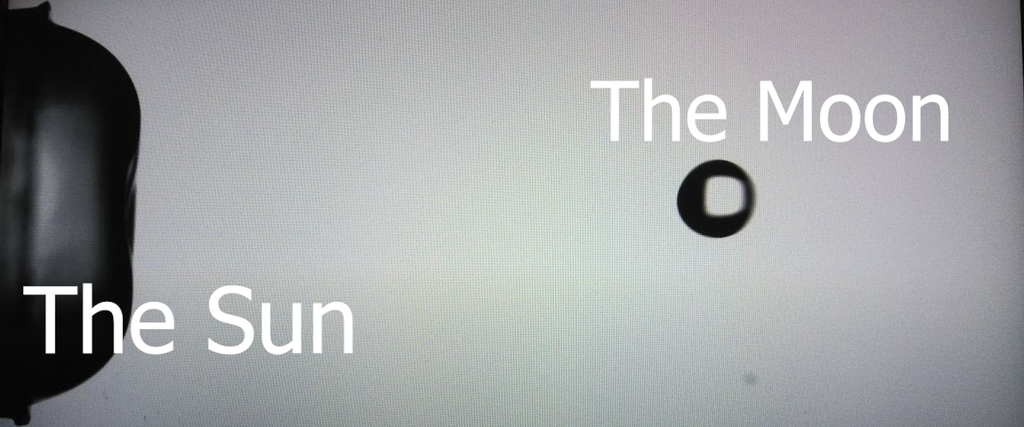
The white speck that came with the Earth was the Moon. It was from the Umbilical attached to the Earth. The Moon formed from the Umbilical and was in motion to follow the Earth and became Earth’s satellite Moon. The Moon was completely molten and formed as a sphere from the Umbilical as it departed Hyperion. The Moon was molten in space and summited to being perfectly round as it found its position with the gravity of the Earth and the Sun. The Earth and Moon melted off of Hyperion at the same time. The Earth and Moon formed from the same surface meltdown of Hyperion and are made from the same material. The Moon was not from a collision! We are also positive about this.
As Hyperion, the Star-Planet Maker was heating up and rotating, which enlarged the outward bulge of the equator. The meltdown consolidated all minerals, gases, ancient magma, stardust and ice.
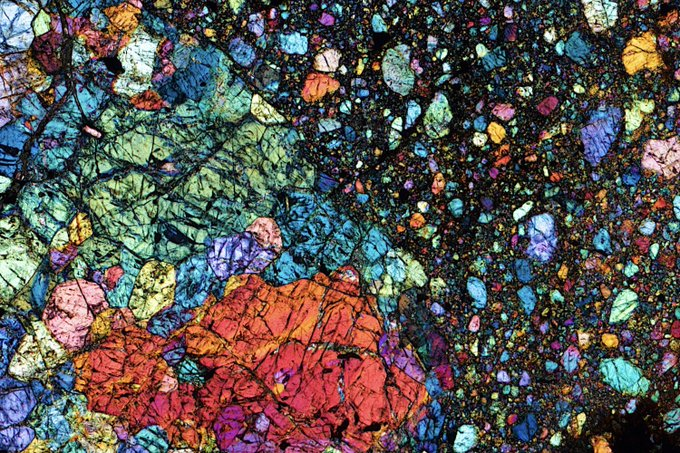
This process organized the minerals that settled into their physical molten levels. They either formed as a companion mix with other groups of minerals or were separate minerals seeking their own separation and level in the molten mass on areas of Hyperion. This collaboration of melted down crust, ice and accumulation of minerals on Hyperion was the makeup of the four inner terrestrial planets. These four planets were born from the “crust” of the Sun at its equator bulge into the Gravity Disk. The process of this happening will have to be modeled. Just think, all the starslag, stardust and ice on the surface of this melting down Star-Planet Maker is only .02 percent of the mass of the present-day Solar System. Just a few drops of starslag, stardust and water to create our inner Solar System. These few drops of starslag and stardust is the reason
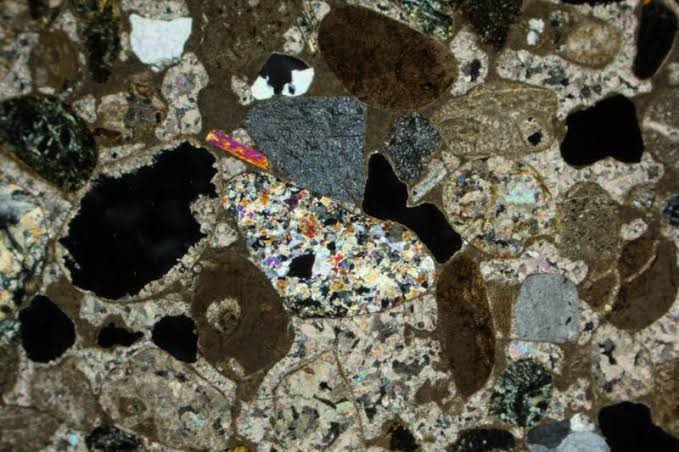
Earth is so rich in minerals and elements that have been spread around the landmass of our globe in abundance and covers every element on the periodic table.
As Hyperion was melting down, the four terrestrial planets left and were set in orbit by their velocity, makeup and density. This new emerging Star started removing its “crust” that covered areas of its outer shell, that had built up for billions of years. Our Star was 30% dimmer 5 billion years ago.
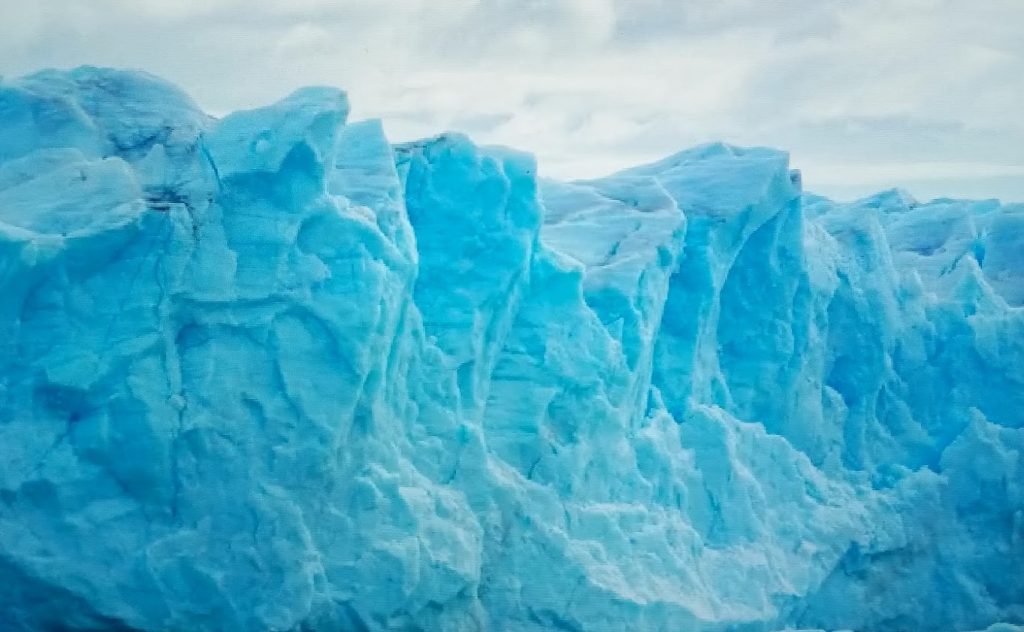
The ice is 15 miles thick surrounding the north and south pole and “cool spots”. This star with loads of minerals and gases exposed to gravity pressure and a cryogenic chamber atmosphere condensed all the Hydrogen, which Hyperion has stored up through accretion. That Hydrogen accumulated either as liquid Hydrogen or deeper in the Star as metallic Hydrogen. When Hyperion imploded to remove the last of its outer “crust”, sparks ignited the massive amount of hydrogen stored beneath its crust and ice shelf and deep within creating a massive powder keg. This implosion happened approximately 500,000 years after the birth of the four terrestrial planets and our Moon, from 4.1 to 3.8 billion years ago.
This expulsion of Hyperion’s outer “crust” started the “Late Heavy Bombardment.” The Late Heavy Bombardment somewhat cratered the four terrestrial planets and our Moon. While sending the four outer planets Jupiter, Saturn, Uranus and Neptune and all their moons and debris, gas and ice to their Outer Belt orbits. We refer to the LHB as “the Sun removing its crust” and sending four Jovian planets to the Outer Belt along with an asteroid belt and Oort Cloud.

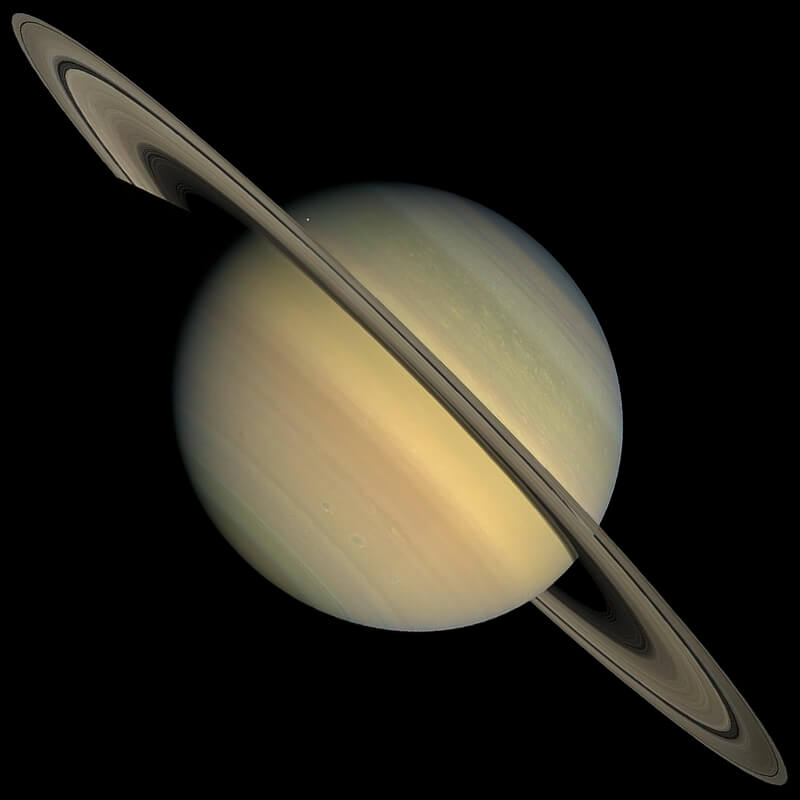
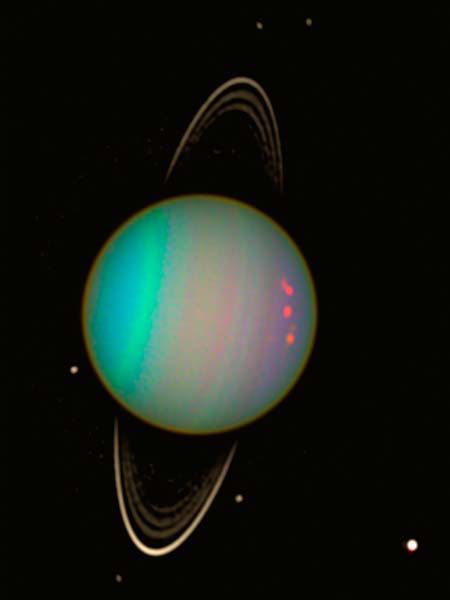
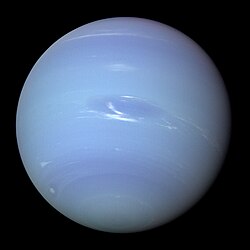
With Newton’s Second law of Motion against the new Sun’s gravity with the massive power behind the exploding Sun. These deep massive nuclear explosions, which is plenty of boost to launch four different outer planets and moons into their orbit from the Sun.
These explosions also created the different Asteroid Belts and the Oort Cloud. Hyperion also sent numerous comets in orbit that are still in motion to this day. Today what we call these Coronal Mass Ejections or CMEs, which sent all our Comets into the Solar System and beyond. That is why they return to the Sun in their orbital journey. Pluto could have been one of those Comets but was too big, it has the angle orbit.
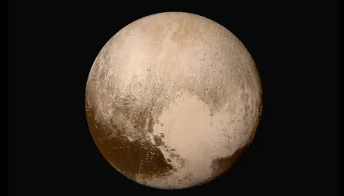
Pluto, is a planet of our Solar System, Pluto was born from Hyperion as all the other planets. The reason for its angled orbit is not because it is a captured object. It is because Pluto and its moons were rejected with such force from Hyperion that it left at an angle creating the orbit it has today. That is the reason for its unique orbit and the reason Pluto needs to be added back as a Planet.
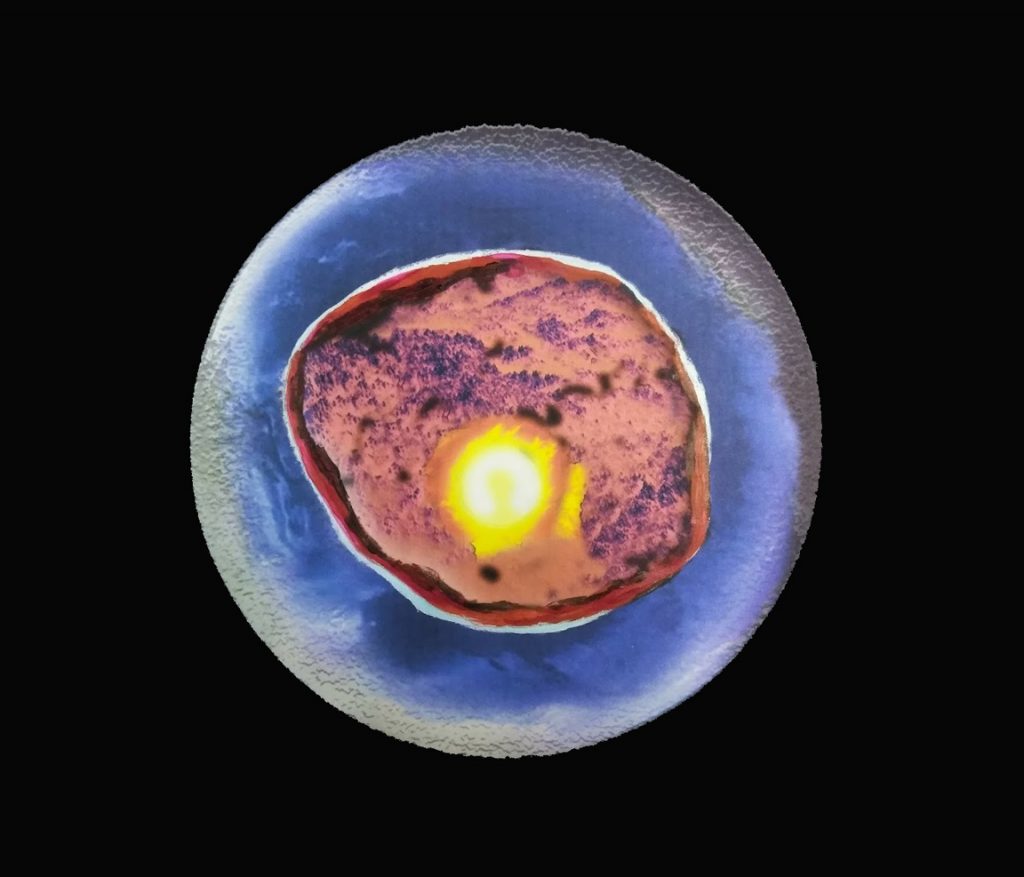
The “Bellybutton” of Earth is the ancient beginnings of our landmass on top of the forming lithosphere, the beginning of molten material forming our Tectonic Plates from 4.5 billion years ago. Today our lithosphere is the top molten layer of rock that surfaced and layered around this molten sphere to create Tectonic Plates. Where our “Bellybutton” landmass is “floating” on the surface and adhered to the forming lithosphere. Creating the Base for the Continents and Continental Shelf. The “Bellybutton” was a completely near round donut-shaped landmass of 58 million square miles, that was proportionally the same size as other identifiable “Bellybuttons” on other planets and moons. The diameter of the Bellybutton was 30% to 40% plus or minus, the diameter of the Earth. This circular landmass, “ProtoGaia” which set on top of the now lithosphere and broke and separated into seven continents as we know today. This landmass was the ultra-rich starslag, starwaste, stardust and ice that floated on the surface of Hyperion. We call this circular donut-shaped landmass, ProtoGaia. It is the first supercontinent, ProtoGaia, the original Earth Goddess. ProtoGaia is The Bellybutton of Earth.
See Video A New Beginning in Planetary Science https://youtu.be/jbHgP-b14Uk
There are rocks on Earth today that are from this original Bellybutton of landmass. Some of these original rocks are in Porpoise Cove, northeast Hudson Bay in northern Canada, which are 4.28 billion years old.
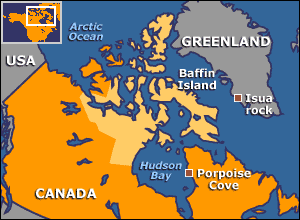
These rocks are amphibolite part of the original Bellybutton landmass from when the Earth left Hyperion, 4.5 billion years ago. According to these scientists this rock formation was covered in water, which is the original water that came off of Hyperion as ice water, slurry and slush.
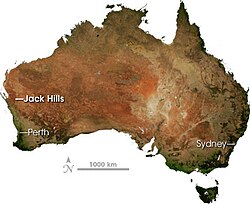
Also, in Australia there are rocks from the Jack Hill region of Australia that date 4.4 billion years old.
ProtoGaia, is the name of this brand-new supercontinent from the beginnings of ancient Earth, made of the rich “slag” which was floating rock, starslag, starwaste stardust, and slush with all the elements on the Periodic Table and with it all the ingredients to start life and life itself.
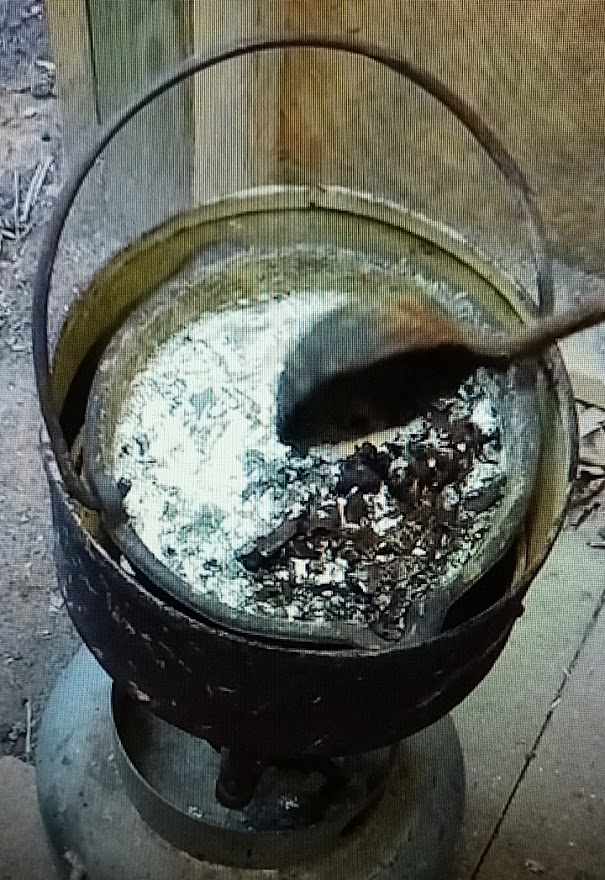
This Supercontinent is floating on the forming Lithosphere like slag in a plumbers lead pot.
Or a donut floating in grease.
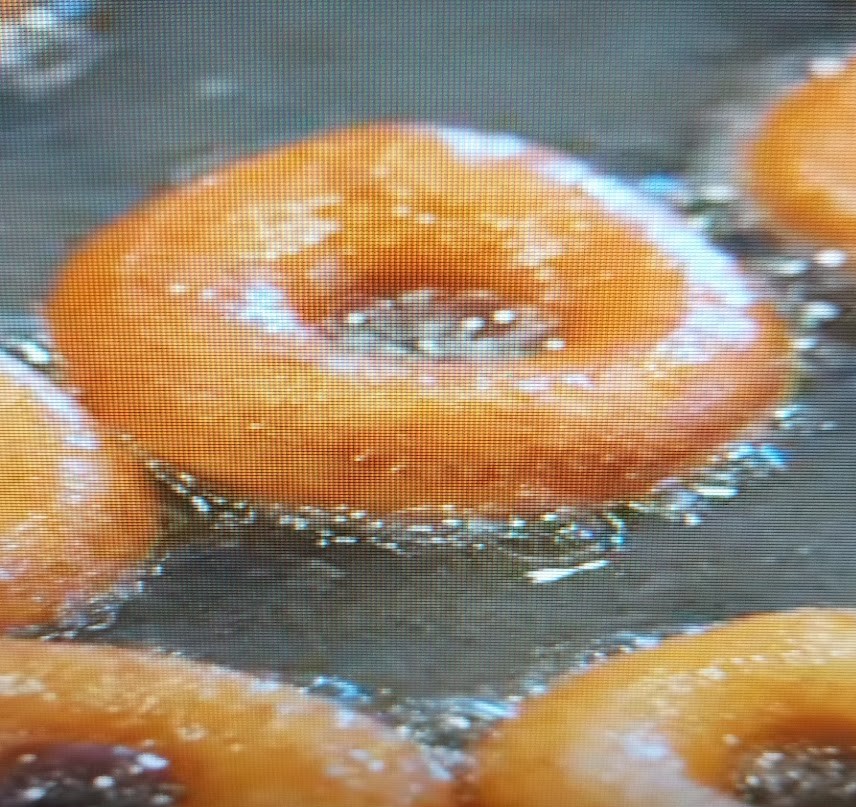
I’ve melted down lead in a melting pot on a construction site, when all cast iron plumbing drainage pipes were connected with lead and oakum. The lead comes in 25-pound units divided by 5-pound sections. That lead melts down clean with minimal slag. But when you put lead in the melting pot, that is used, oakum stuck to it, fallen on the ground with rocks and dirt in it, salvaged and used, that lead has slag and that slag floats freely on the surface of the molten lead. That rich concoction of free-floating slag from Hyperion is the makeup of Earth’s crust and landmass with water, ice and life, which dripped off from the massive meltdown.
The makeup and density of the four terrestrial planets are completely different. The Bellybuttons are also different and heal differently, but proportionally are the same in comparison size to their host planet. These observations will have to be modeled using different solutions to recreate the dripping off and creating a “Bellybutton” or “Birthmark”, a scar or discoloration.
The physics of a molten sphere departing from a Star-Planet Maker has yet to be analyzed. These Bellybuttons and “Birthmarks” on various planets and moons will be analyzed to discover the physics behind these newly discovered anomalies on planets and moons.
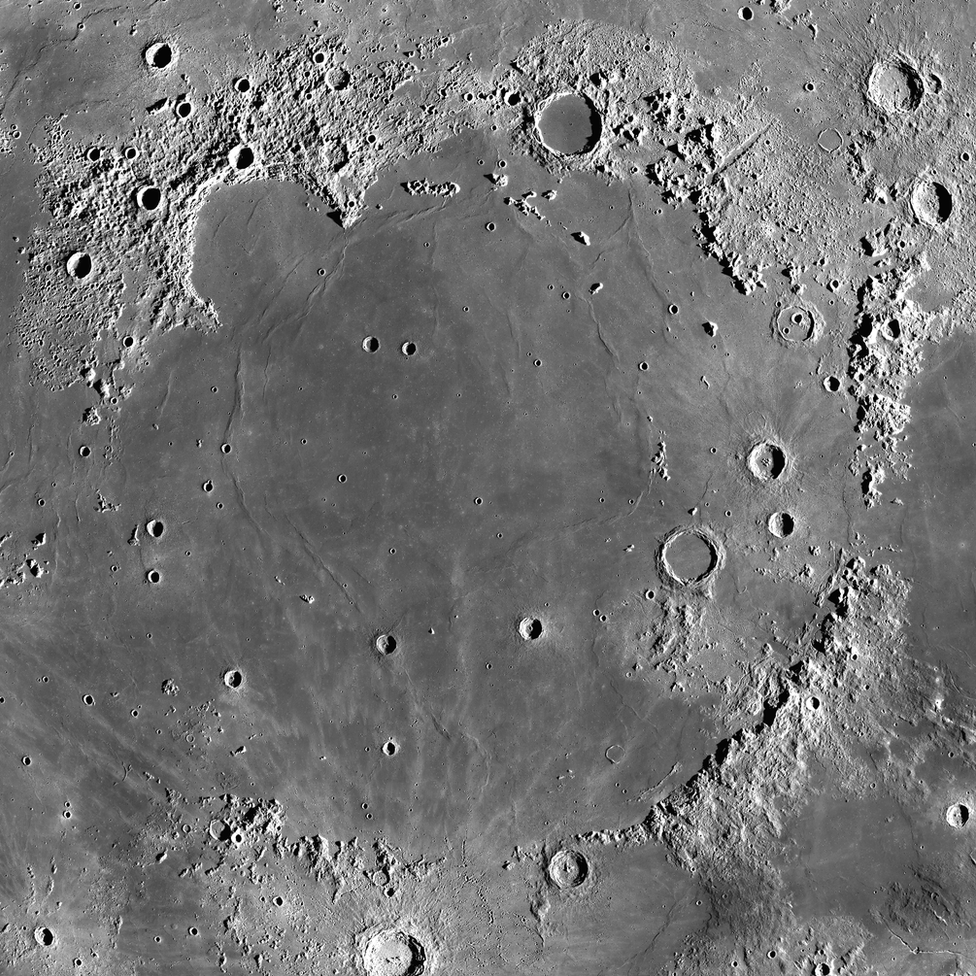
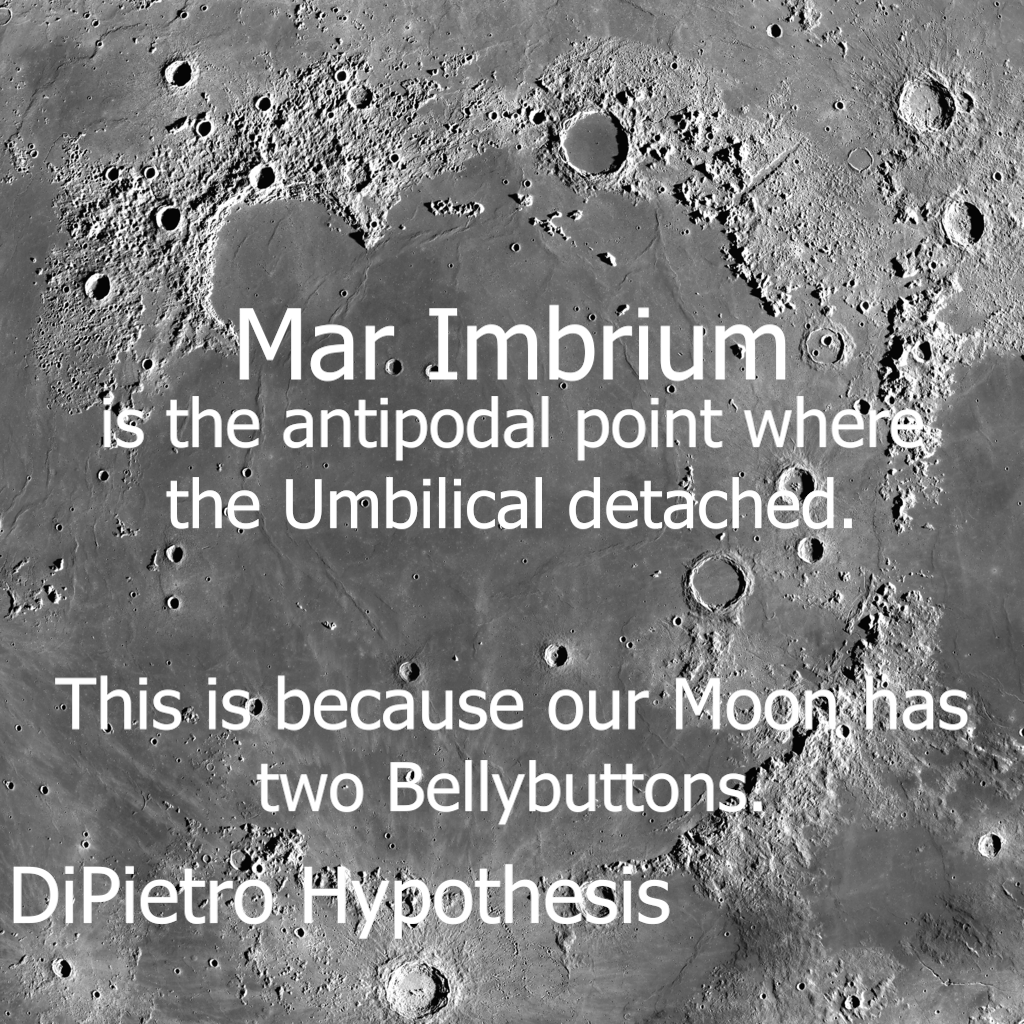
Our Moon is from NO planet’s collision with Earth. Our Moon is a product of the melt off of Hyperion. The Moon is from the “Umbilical” that attached the Earth to Hyperion when it separated. The Moon will have two Bellybuttons at its antipodal points. One is the South Pole Aiken Basin
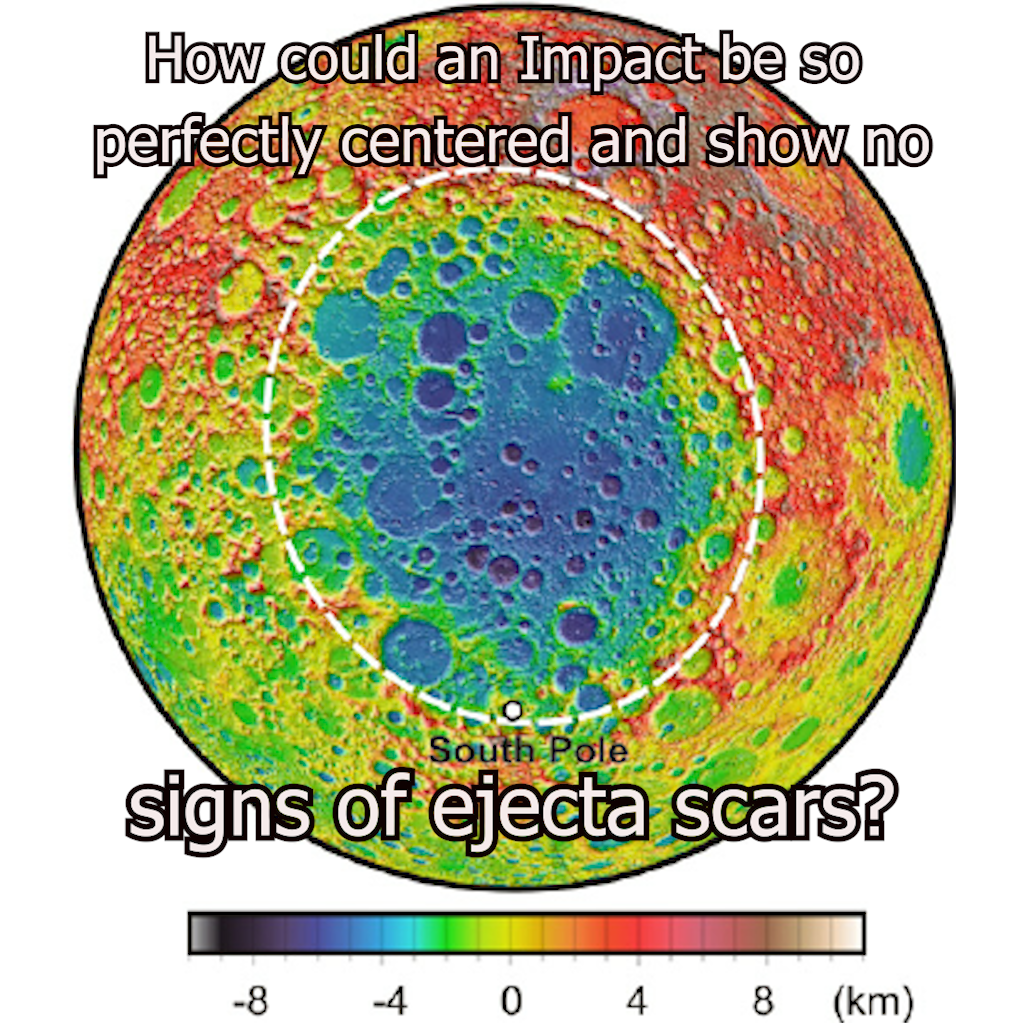
and its antipodal point is Mare Imbrium.
Life was developing for billions of years on Hyperion before our Sun was born and exposed.
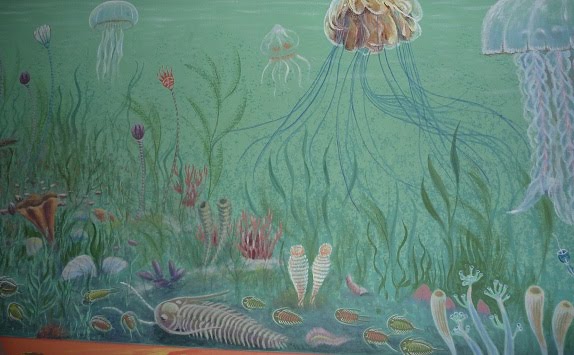
When Earth settled into its orbit around the brand-new Sun, life started to evolve from the consistent steady cycle of the Sun and constant rhythm of the Moon. Life that already existed on Hyperion was now widespread, with a wide variety of primitive life from day-one on Earth. Hyperion developed life for billions of years as a Star-Planet Maker with a cold atmosphere. The atmosphere was from its size and its core heat along with life zones, Cool Spots, that had been collecting life and had the ingredients for life from the vast galaxy. Primitive life forms on Hyperion were thriving or just surviving for billions of years. These primitive life forms were hanging on at thermal vents and any warm exhaust they could survive in. The beginnings of early life were on the Star-Planet Maker Hyperion, these primitive lifeforms were spread around Earth’s landmass and new ocean along with massive quantities of Ice, water, slurry and slush that came with Earth as it departed Hyperion. On our landmass and in the new freshwater ocean was life-waste from the life on Hyperion and that waste is what created sustainable food on ProtoGaia and in the freshwater ocean.
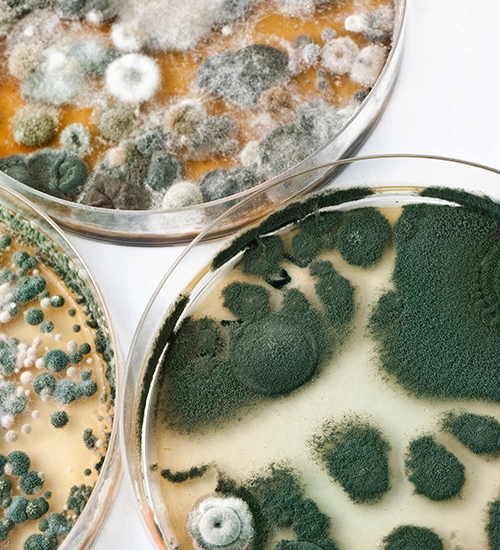
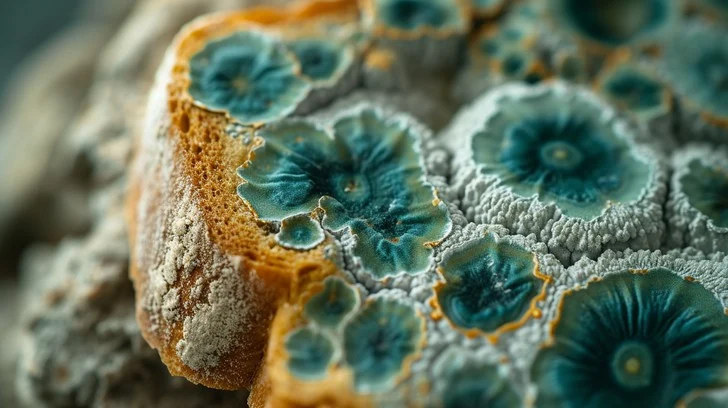
Terrestrial planets
The Terrestrial planets of our Solar System; Mercury, Venus, Earth and Mars are created from the “crust” and core of this ancient Star-Planet Maker Hyperion as it boiled up and melted down. Those four planets “dripped” off as a slow boil from this spinning Star’s bulging equator into its Gravity Disk. These planets left one at a time along with their core from Coronal Mass Ejections and an Umbilical of stardust plasma. They all took water, slush, slurry ice and mass with them when they were expelled. They all have Bellybuttons. Venus, Earth and Mars all had water, including our Moon. The water on the Moon was mixed in with the stardust slurry of Moon plasma, That’s the reason for all the “mud” craters on the Moon especially the Farside. The Farside craters which have layered rims and NO ejecta rays are from the gravity of the Sun pulling water and steam from inside the Moon.
Four Outer Planets
For over 500,000 years the continuous meltdown of Hyperion was a succession of expulsions, which was the beginning of the Late Heavy Bombardment, sending the gas and ice planets, Jupiter, Saturn, Uranus and Neptune with their moons to their outer belt orbits. With massive explosions the four outer gas and ice giants along with moons, asteroids and meteors were sent to the Outer Belt. We know this is true because of the proof we have of identifiable Bellybuttons and Birthmarks on most moons. If Herschel Crater is an impact crater why isn’t there any ejecta rays which would leave scars from that “impact”? The “impact” is dead center which is virtually impossible. There are no ejecta rays. The depth of the impact is shallow compared to the size of impact. Mimas is an icy moon with little density so an impact of that size would have destroyed that moon. Herschel Crater is not an impact crater.
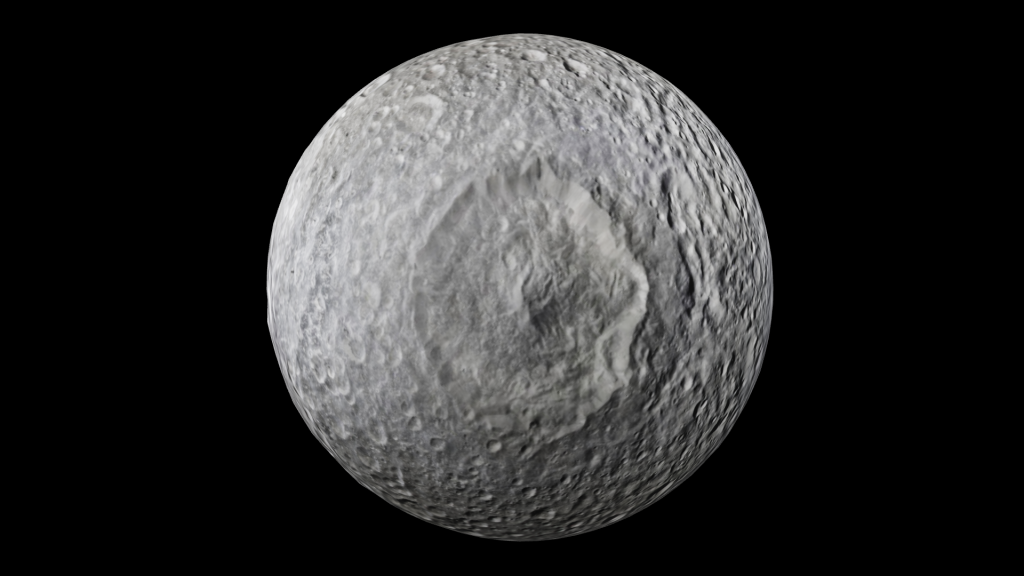
As far as propulsion to send planets to the outer belt, Jupiter, Saturn, Uranus and Neptune. The explosive power of hydrogen in liquid and solid form provides tremendous multi-mega-ton explosions from the center of the Pre-Sun that launched and propelled the four outer planets to where they are in orbit today controlled by the Sun’s gravity. The Sun to this day is sending out solar flares that reach throughout the Solar System. Massive explosions with Newton’s Second Law of Motion against the Sun’s gravity propelled the Jovian planets with a series of massive explosions starting the Late Heavy Bombardment, which propelled them to the Outer Belt and sent projectiles to crater the inner planets. Those explosions went on for a million or more years. Then the Star-Planet Maker Hyperion transformed into our Sun and expelled its multibillion year old “crust”. This expulsion process gave each Outer planet its own position and personality in chemical, mineral, gas, ice and design. Scientist call that expulsion the Late Heavy Bombardment the DiPietro Hypothesis calls it “the Sun removing its crust”.
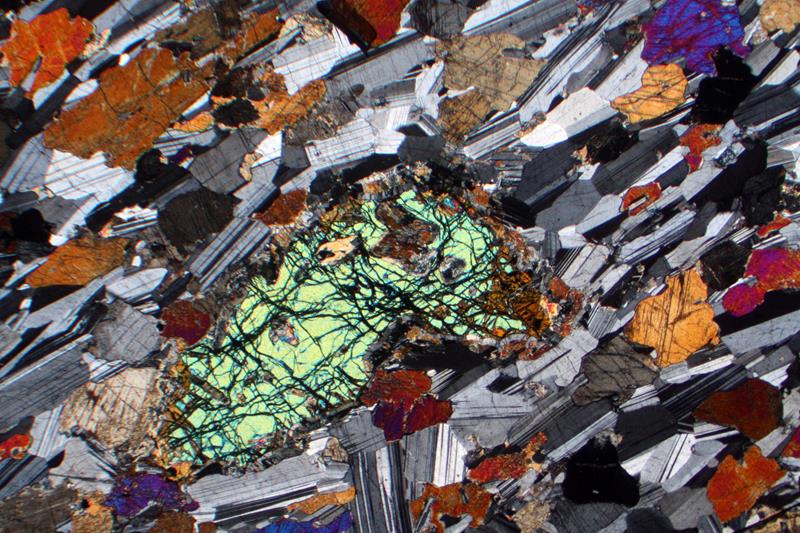
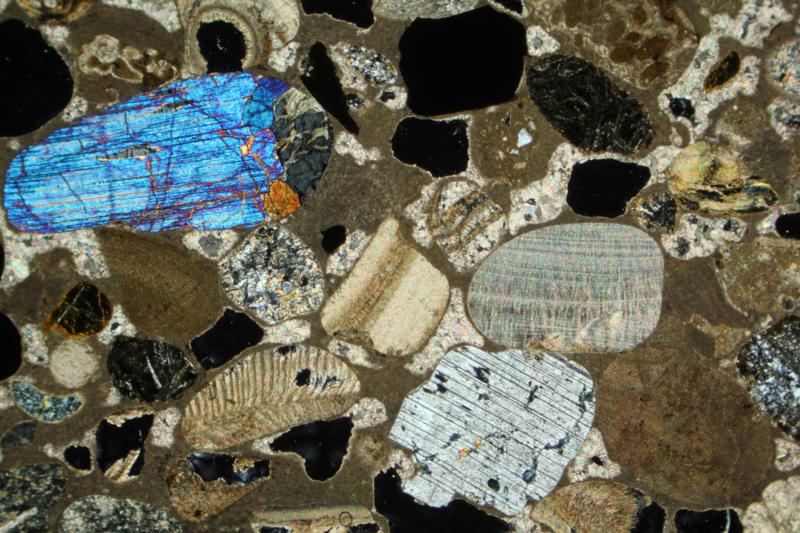
The reason all planets and moons are different is because they all arrived from the billion-year-old mix of ancient slurry of stardust, magma and Ice.
In Conclusion
The final results of Hyperion producing 8 planets, Pluto, dwarf planets, moons, comets, asteroids, asteroid belts, Kuiper belt, Oort cloud, and much more in our corner of the galaxy. All this is from the massive meltdown that was triggered on Hyperion, on a tremendous scale, creating are complete Solar System and everything around it, creating a closed system that surrounds our Sun. Our complete Solar System is from all the material and mass that surrounded, encrusted and suppressed this new awaking Star.
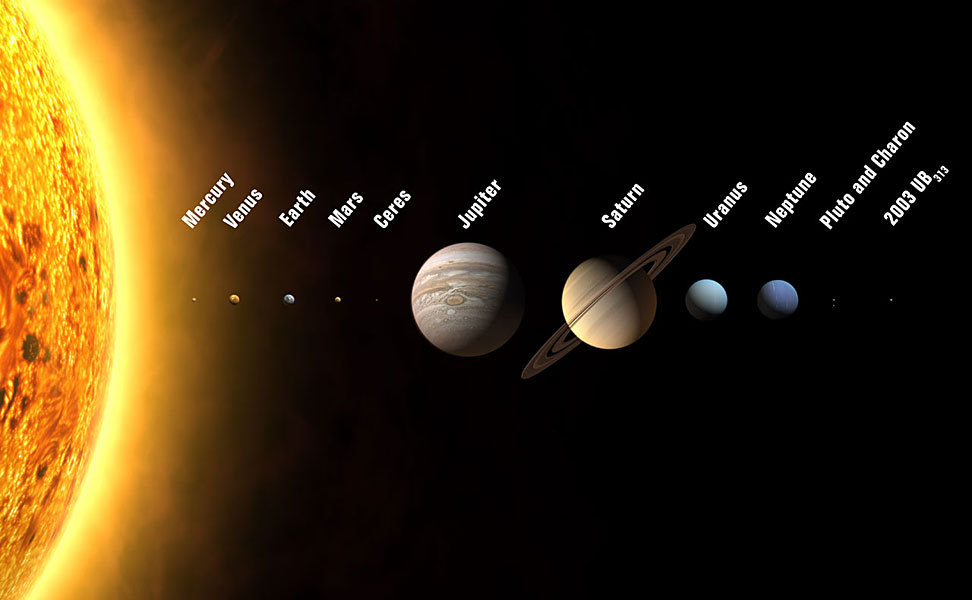
Astrophysicist have calculated the complete mass of our Solar System, we know the Sun is 99.08 % of all the mass in our Solar System. Hyperion had a “crust” not completely covering the Sun 5 billion years ago. The north and south poles contained matter and ice, with waste vents, along with cool spots on the surface of this Cold Star. This is the .02% of mass of our Solar System that “crust” covered portions of this Cold Star-Planet Maker’s surface. 5 billion years ago the Sun was a Cold Star with Ice Caps and Cool Spots and was 30% dimmer than our Sun today.
With the estimated age of the Sun at 4.603 billion years old, which gave birth to the Earth shortly after at 4.543 billion years old. Earth rounded into a sphere as it dripped off and separated carrying the ultra-rich slag slush from a near 9-billion-year-old recycled Star with atmosphere, water, ice and life. Earth was the first to “drip off” into the “gravity disk” of the Sun. Earth was semi-livable with early primitive life that came along and survived. Simple life forms were widespread on the landmass and throughout the new freshwater ocean.
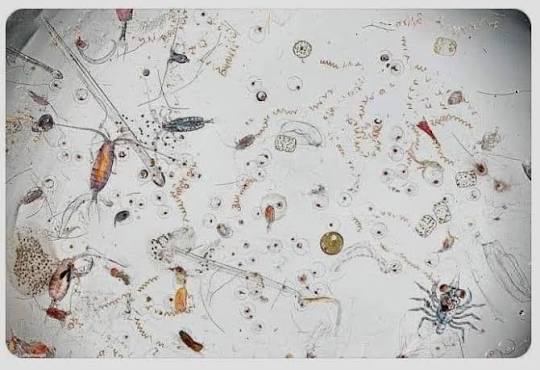
This life survived the transfer from the skin of Hyperion to a round sphere in space. This new life survived in the oceans and nooks and crannies of the Bellybutton, landmass of Earth, we call ProtoGaia.
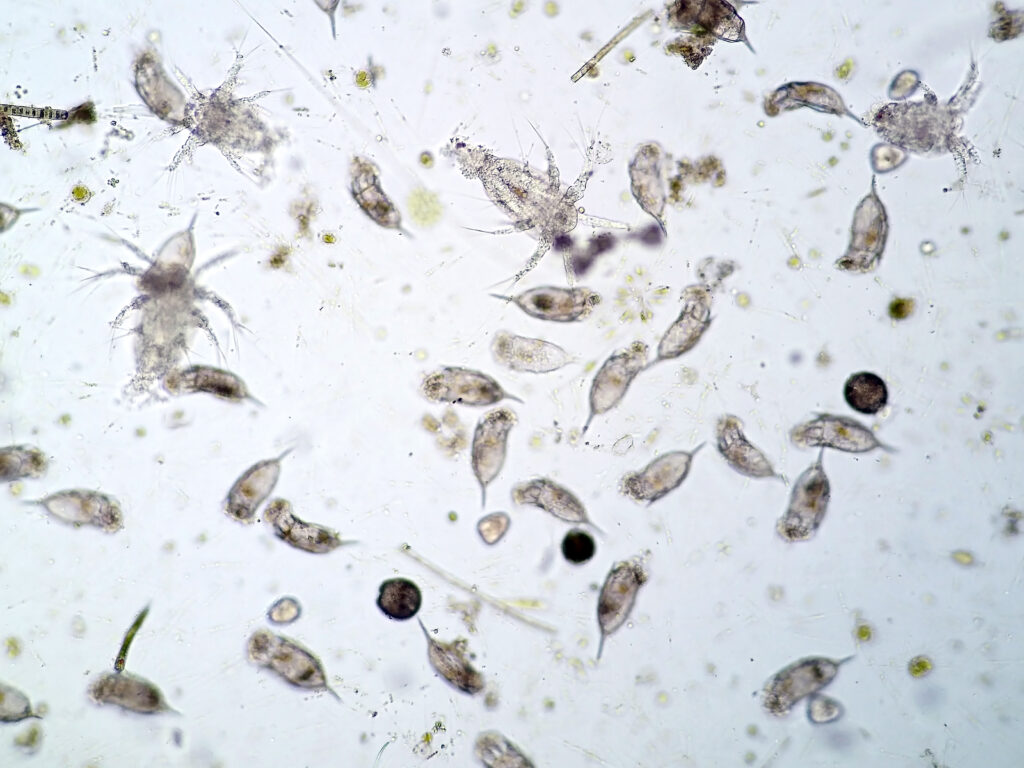
Along with ice and this new abundance of widespread warm and heated up water from this molten sphere primed life to start and thrive. Life will survive if there is a slight chance. Life really started to evolve 4.5 billion years ago on Earth, Life had widespread distribution around our globe on land and water.
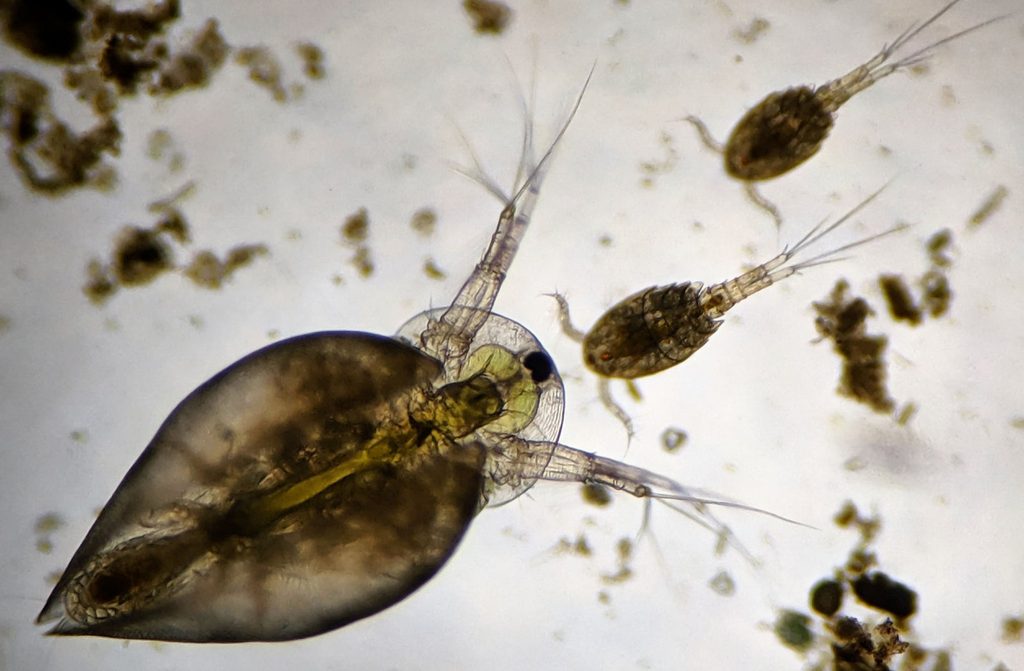
At that same time there was sustainable food from the life and waste on our Cold Star that transferred to the new Earth. By the time Earth settled into its orbit and was covered in a slurry of slush with hot and cold water with a singular circular landmass. Then Life from this Cold Star, its complex evolution started evolving from the consistency and rhythm of the Sun and Moon. Again, the Earth was never a fiery hot sphere.
On Earth’s departure from Hyperion, the Bellybutton is where the Solar Flare from the Sun entered the mass of the “crust” and created Earth. The Solar Flare core centered itself through accretion and gravity in this now orbiting spinning planet. The center of this landmass Bellybutton was a “fiery” molten hole in the donut-shaped hole of ProtoGaia. This is where the molten core pushed through the landmass, creating a hole in the center of this new Earth, ProtoGaia. Today that hole in the donut is the Ring of Fire on Earth today.
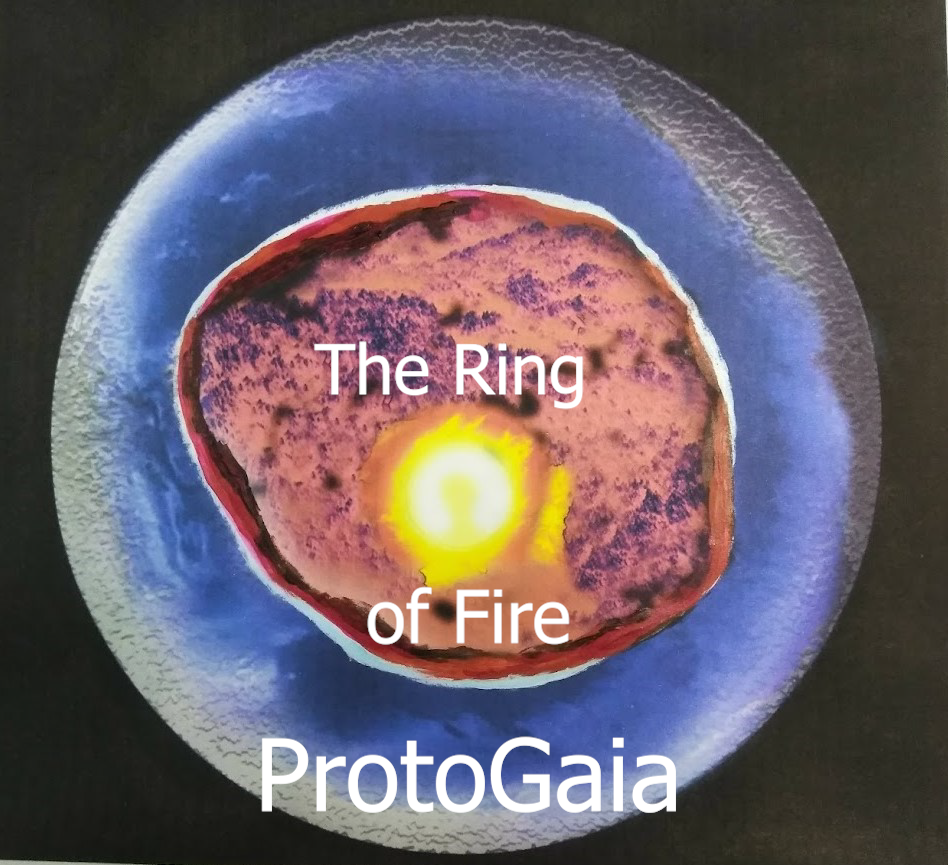
The Earth was covered in slush and water ice, along with this circular donut-shaped landmass of star slag, star waste and stardust floating on the surface. The Earth was never a completely scorched or a fiery planet. The only fiery molten parts of the new Earth was inside the donut hole, which is today’s Pacific Ocean.
The Moon was a complete molten sphere of stardust plasma that was molten and then cooled, leaving thousands of stardust “mud” craters. Only 25% of the craters on the Moon are Impact Craters, if that and 75% of the craters are stardust “mud” craters.
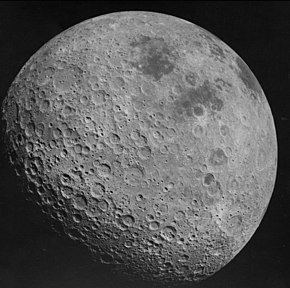
The reason there are so many craters on the far side of the Moon is that the Sun’s gravity pulled the heated water out of this molten sphere to create so many “mud” craters on the far side of the Moon. The Mares of the Moon were created by lighter minerals and elements embedded in this molten stardust plasma of the Umbilical. This concoction of minerals and elements were driven to the surface of the Moon from the interior of this totally heated up molten plasma sphere. The heavier elements accreted to the center of the Moon, like Iron and Nickel. This molten sphere of heated-up plasma surfaced all the water and lighter elements to the exterior of the Moon. This expulsion of material to the surface of the Moon created 75% of the craters and all the Mares on the Moon. These lighter elements were brought to the surface of the Moon on the Nearside by the gravity of Earth. There was never any volcanism or lava on the Moon. The Lunar Magma Ocean Hypothesis is completely wrong.
This is how our Solar System formed and how the beginning of life was on Earth from day one. Life evolved on Earth with the new Sun and Moon creating a consistent energy and a steady rhythm for life to evolve where it is today and that took 4.5 billion years.
I would say that most all planets form from a cold star and not in a “protoplanetary disk”. Stars eat protoplanetary disk!
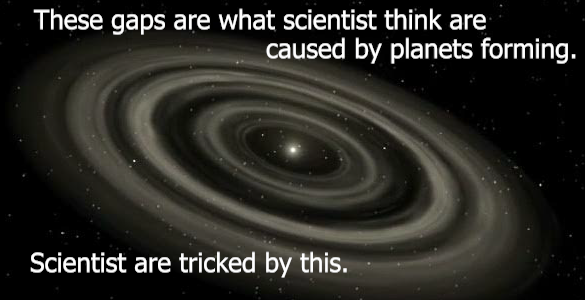
All mass in our Solar System has water or oceans or ice or water molecules or sodium, whether in the crevices of an Asteroid or Meteorite or moon ice or ocean. They all at one time were exposed to the same early primitive life that started on our early Cold Star that came with Earth.
Bellybuttons of planets, dwarf planets, moons and asteroids in our Solar System.
Gli Ombelichi(these Bellybuttons) on planetary spheres are all different. These anomalies are called Bellybuttons because they are a scar where there was an Umbilical attached and broke away.
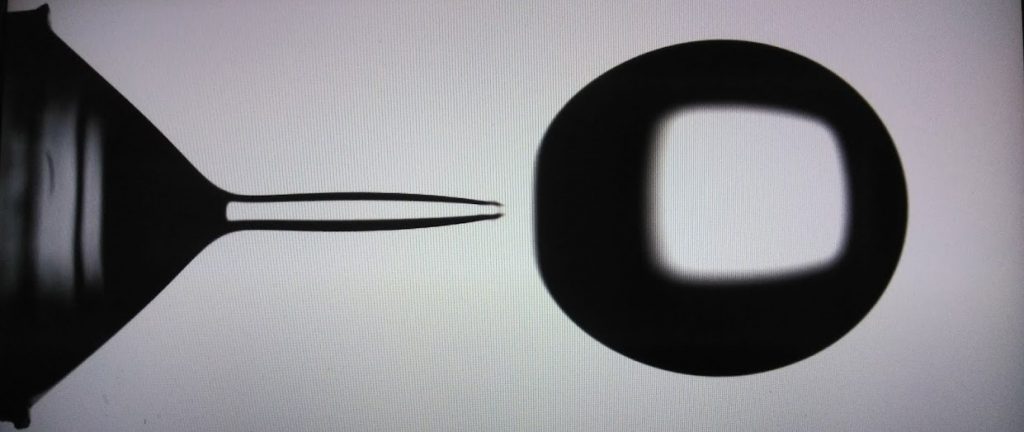
Depending on the size, makeup, density, size of core, and several other factors all Bellybuttons and Birthmarks heal differently.

“Birthmarks” are an obvious discoloration or configurations on the face of a moon. All planets, dwarf planets, moons and most asteroids have identifiable Bellybuttons or Birthmarks which are all different. These Bellybuttons or Birthmarks, which some are very identifiable and others not so easy. For example, the moon Enceladus of Saturn, has water spouts that shoot out of the weakness of its Bellybutton. Lapetus a moon of Saturn has a very obvious Bellybutton. Tethys moon of Saturn has a very identifiable Bellybutton called Odysseus Crater. Large basins and “craters” are miss identified by scientist. Our Moon’s Bellybutton is the South Pole Aiken Basin which is identified as an “impact crater,” which it is not. The Herschel Crater on Mimas is miss identified, also as a crater and there are many more. A good example is the Caloris Basin on Mercury, which is a Bellybutton scar and not an impact crater.
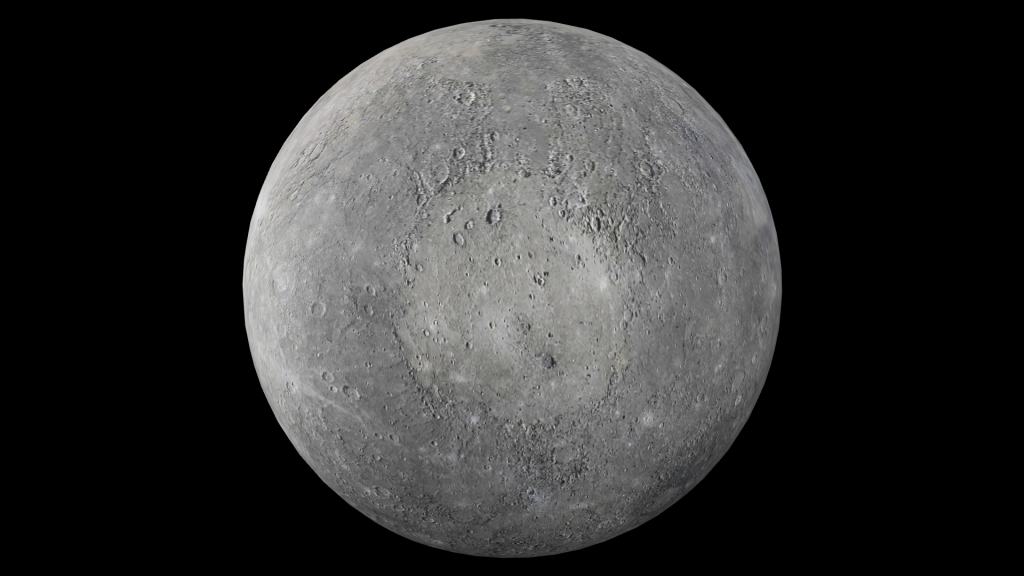
On some moons and planets, the Bellybuttons are obvious from the Umbilical departing from the sphere creating a round detachment creating the scar, a Bellybutton.
When the Umbilical detaches it contracts and contorts and freezes in the process creating moons, diamond, potato and peanut shaped assortment of contorted asteroids. Some moons and asteroids have two Bellybuttons from the detachment of the Umbilical from two sides and some on just one side.
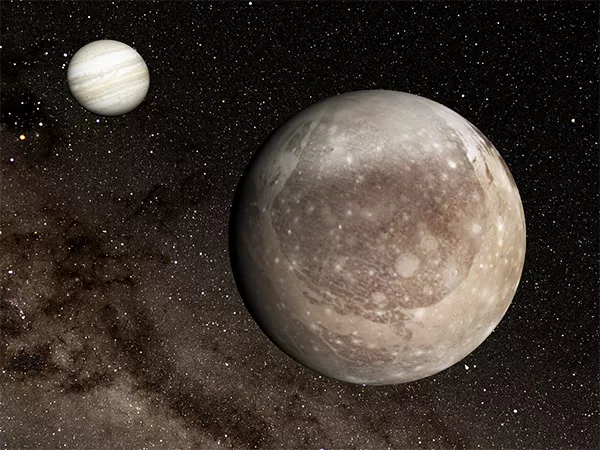
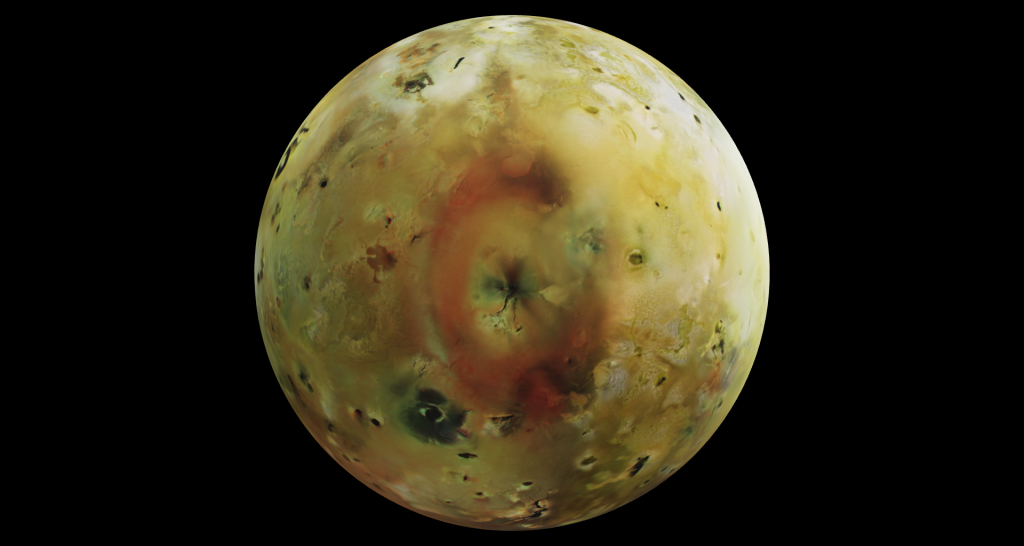
The Birthmark is where a moon heals after departing from the Umbilical, usually with a moon that isn’t dense with more water and ice. Sometimes it shows up as a discoloration or a smooth or complicated distortion of the surface of a moon. Like the discoloration on the Ganymede and Io.
A lot of these Bellybuttons have been miss identified as impact craters or basins. These scientist and astronomers are wrong!
Earth the third planet from the Sun.
The Earth’s Bellybutton was made from the rich floating star slag, star waste and stardust from the meltdown of Hyperion. As the Earth was the first that dripped from the bulging equator of Hyperion. Earth was head first with a glob of molten planet and ice slush. The landmass came last as it was floating on the outside surface of the “molten drip” and left a dounut-shapped landmass of a Bellybutton we call ProtoGaia. As physics will apply to a departing sphere with Umbilical attached. The lighter floating debris of the drip was pushed back and ended up gathering and became the near circular “donut shaped” Bellybutton landmass on Earth, which was the star slag, star waste and stardust of Hyperion. Earth was the first planet to leave Hyperion with landmass and ice water.
Craters on planets and moons that are Bellybuttons or Birthmarks.
Yes, there are many impact craters on our inter planets and Moon from this massive Star-Planet Maker, Hyperion imploding and sending out projectiles for millions of years. Not all craters are impact craters, some are from these molten spheres cooling and boiling-up water slush and steam creating “mud” craters made of water and stardust, not lava. The appearance of “magma” is the results of craters boiling molten material to the surface for millions of years. A boiling molten planet that is cooling down does leave craters that look like impact craters, these are boiling “mud” craters that solidified in motion after many years of cooling down and cryogenic conditions. These results will leave a Central Peak similar to an impact crater, but not the same. Another result of a “mud” crater is the layered edges with an NO identifiable ejecta rays. The “mud” craters are from the process that the planet or moon used to cool down and remove water and steam from inside these molten sphere. While the water slush inside our Moon, Mercury, Mars and most moons and asteroids, boiled out as “mud”, while heavy metals and elements like nickel and Iron accreted to the core of the moon or planet. Nearly all craters on our Moon, Mercury and Mars are “mud” craters not impact craters. Also, there was never any volcanism on the Moon and there was never any lava or magma. The “magma” was a slurry of water boiling out of a heated molten Moon with a mixture of stardust plasma, creating numerous “mud” craters and the Mares.
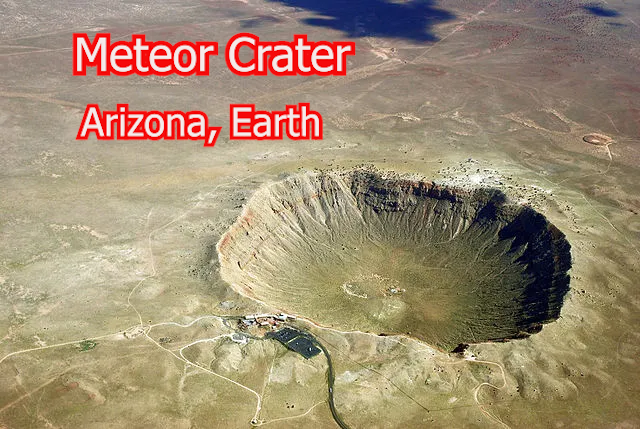
There are many impact craters, they are all from a closed system, from the meltdown of Hyperion. 99% of all meteors, asteroids and comets come from this closed system from the Sun. Yes, there are asteroids and comets that come from other galaxies that are interstellar like ‘Oumuamua, but most come from our own closed system and were all created from the “crust” of the Sun.
Below are planets, moons and asteroids that have a Bellybutton or Birthmark, which is proof of the DiPietro Hypothesis.
These scars on planets and moons have been identified as “impact craters”. We believe these scientist are completely wrong. Below is the proof on several planetary objects of their Bellybuttons, Ombelichi.
Mercury the closest planet to the Sun. The Bellybutton on Mercury is the Caloris Basin. No depth to the impact, no ejecta rays and dead center of Mercury, Caloris Basin in not an impact crater.
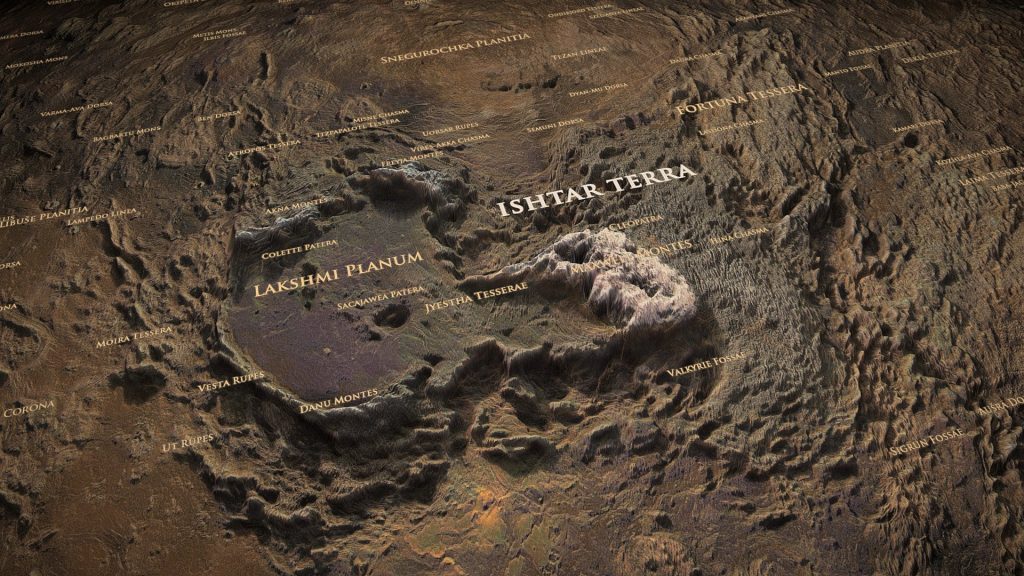
Venus the second planet from the Sun. Isthar Terra is the Bellybutton of Venus.
Mars the fourth planet from the Sun. Mars’ Bellybutton is Hellas Planitia and surrounding area.
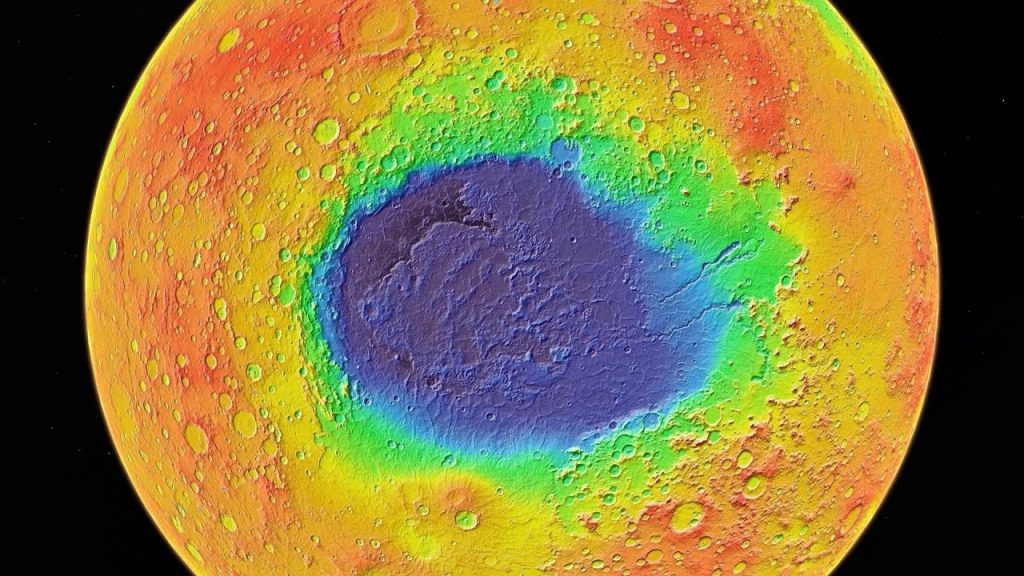
Earth the third planet from the Sun. The Earth’s Ombelico is ProtoGaia pictured above. ProtoGaia is based on dimensions that all Bellybuttons have in relation to the size of the planet or moon
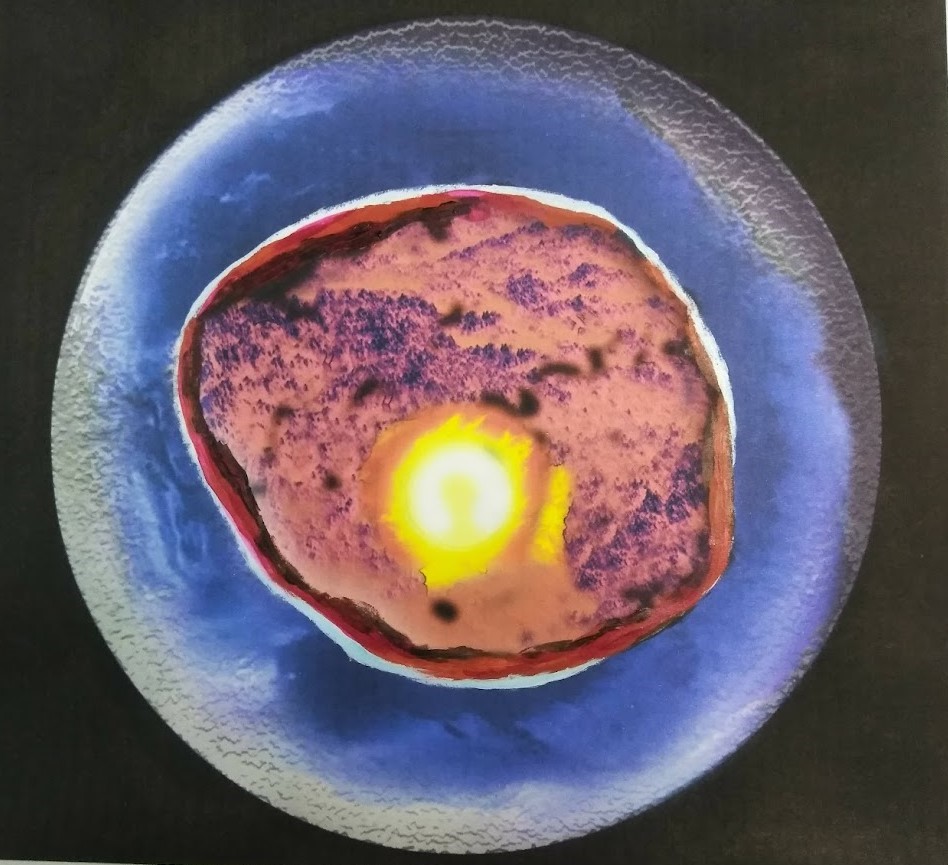
The Moon of Earth. The South Pole Aiken Basin is one of the Moon’s Bellybuttons. Our Moon will have two Bellybuttons, another at the antipodal point.
Mars Imbrium is the other Bellybutton on the Moon.
Jupiter
Ganymede a moon of Jupiter. The large dark round area is the “Birthmark”.
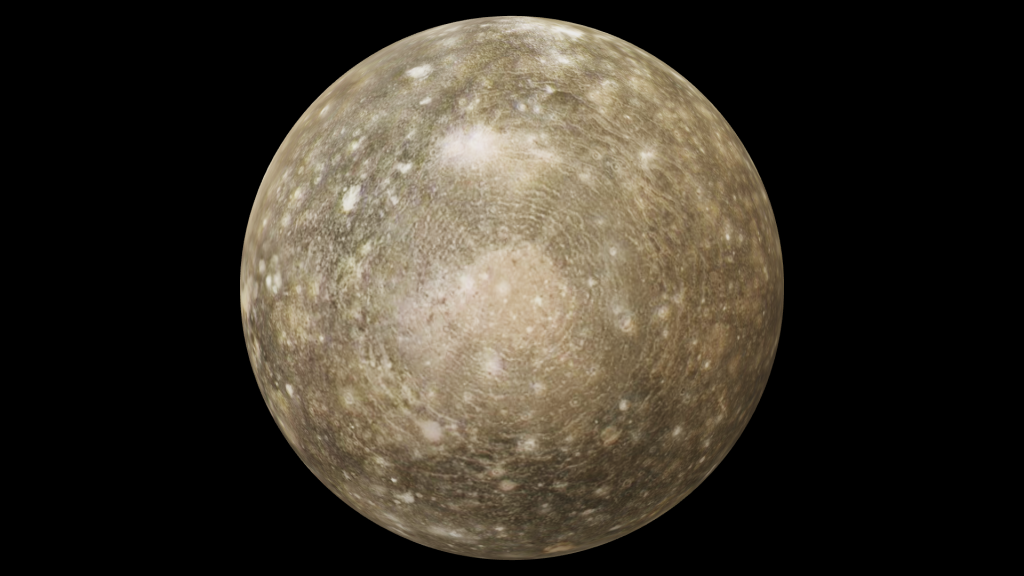
Callisto a moon of Jupiter. Has a unique Bellybutton with concentric circles.
Io a moon of Jupiter. Has a colorful “Birthmark” Bellybutton that is rich in volcanos.
Europa moon of Jupiter. Has a very messy Bellybutton.

Saturn
Rhea moon of Saturn. Bellybutton is messy and distinguished with Mud Craters.
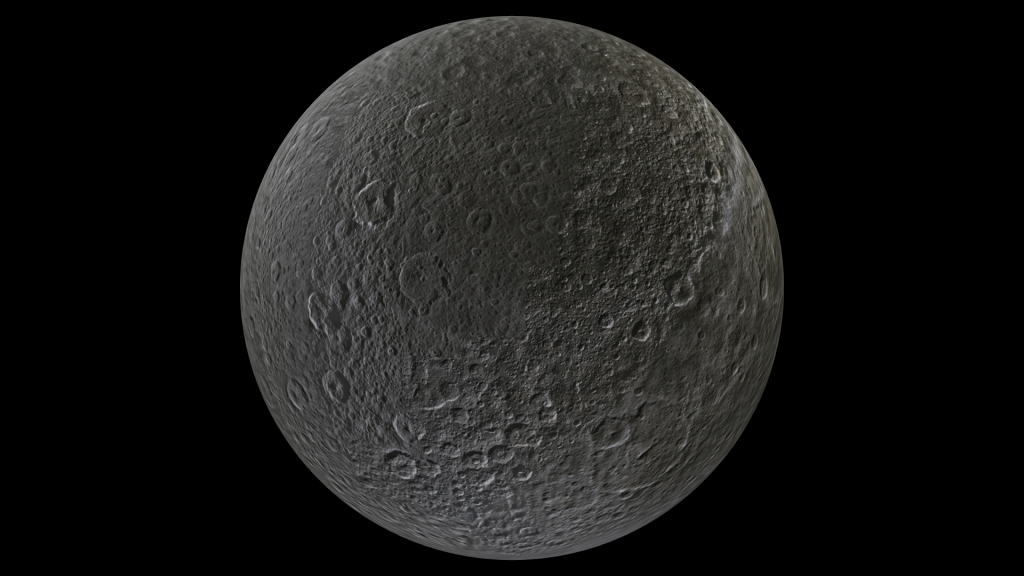
Lapetus moon of Saturn. Has a crusty and very obvious Bellybutton.
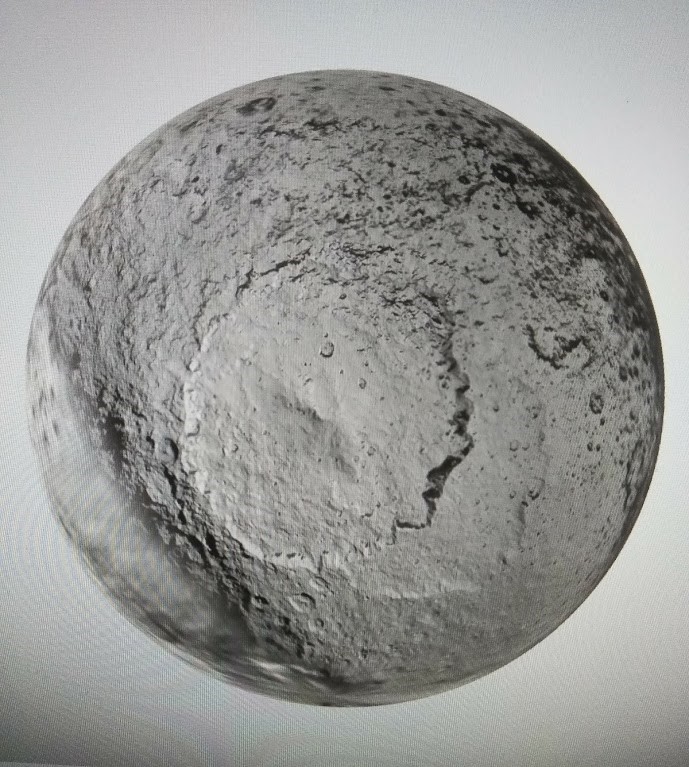
Dione moon of Saturn. This is an ice-covered moon and has large distorted Birthmark Bellybutton.
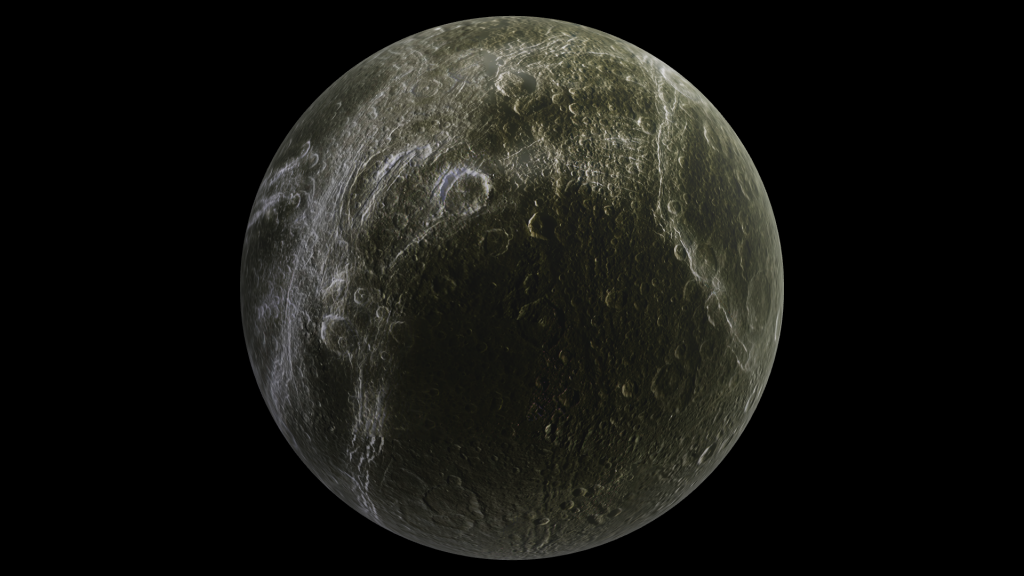
Tethys moon of Saturn. Very identifiable Bellybutton. The Odysseus Crater.
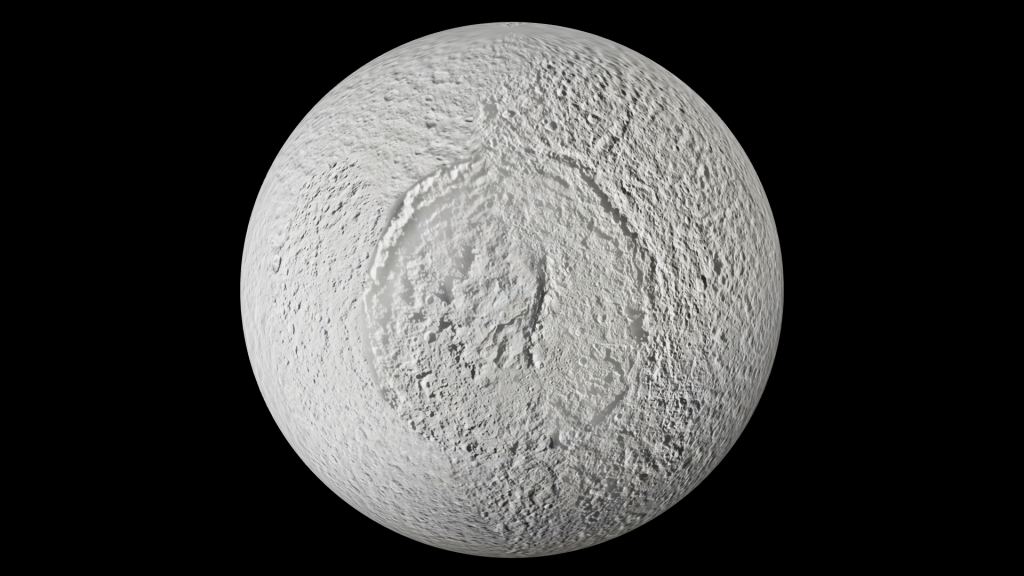
Enceladus moon of Saturn. Has a messy Bellybutton, that expels water jets from that Bellybutton.
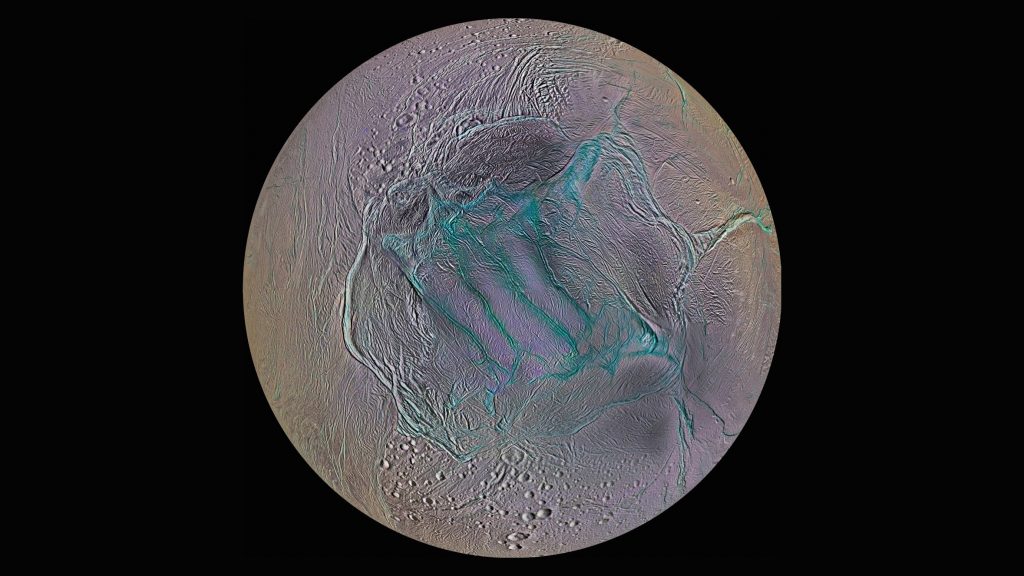
Mimas moon of Saturn. A very identifiable Bellybutton. Not an impact crater, the Herschel Crater.
Hyperion a moon of Saturn. A large Bellybuttons back-to-back from the Umbilical.
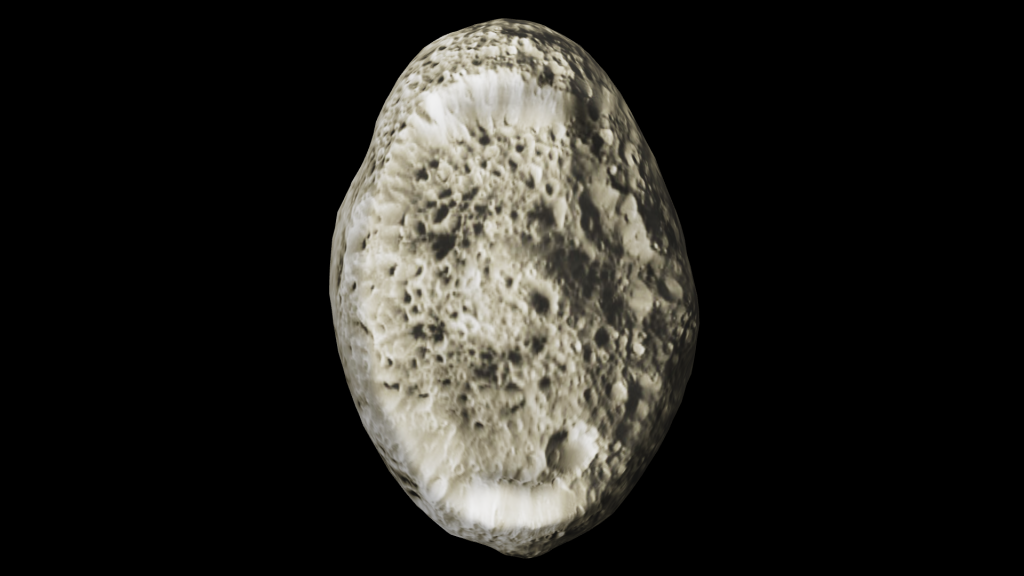
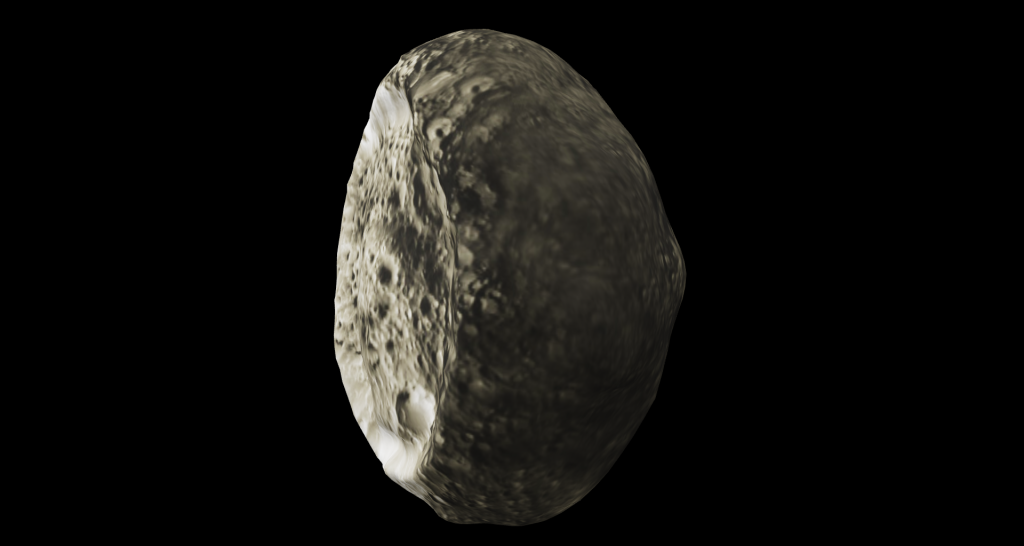
Dwarf Planets, Moons and Asteroids
Miranda moon of Uranus. A very messy and interesting Bellybutton
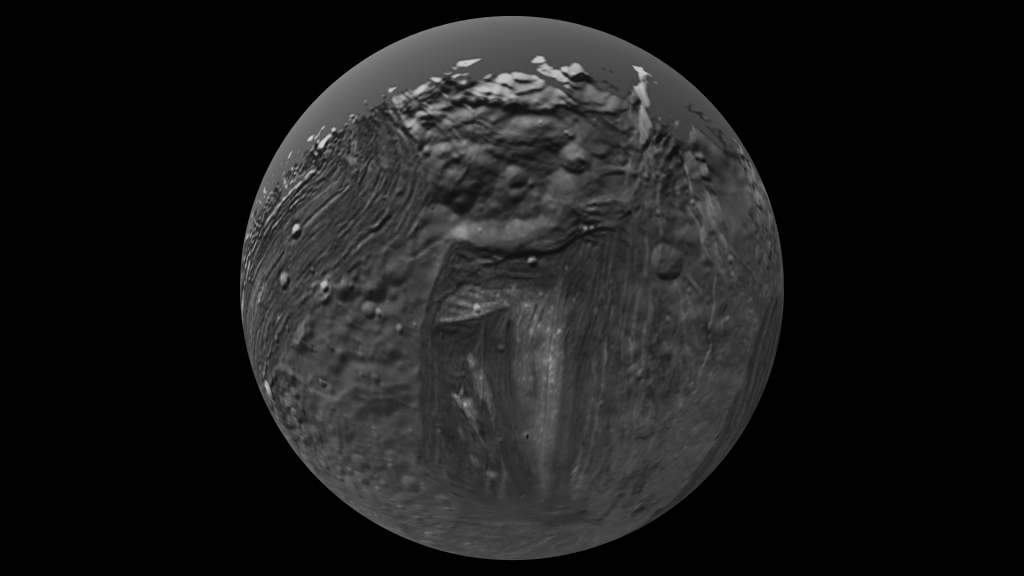
Eris a dwarf planet in the Kuiper Belt. This small planet has very interesting and multiple Bellybuttons.
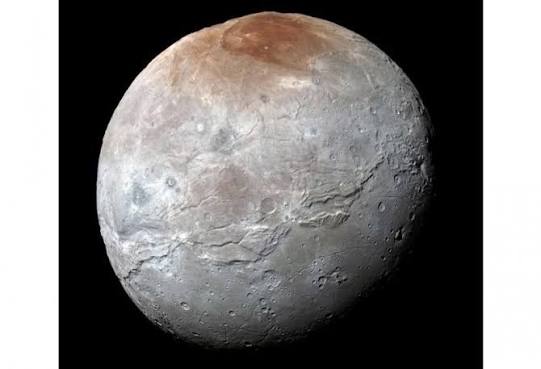
MakeMake a dwarf planet in the Kuiper Belt. Has a very unique “Birthmark”.
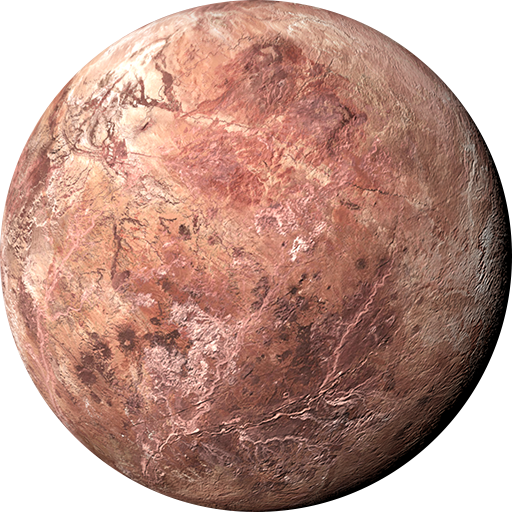
Ceres a dwarf planet in the main asteroid belt between Mars and Jupiter. Has two Birthmark Bellybuttons at their antipodal points.
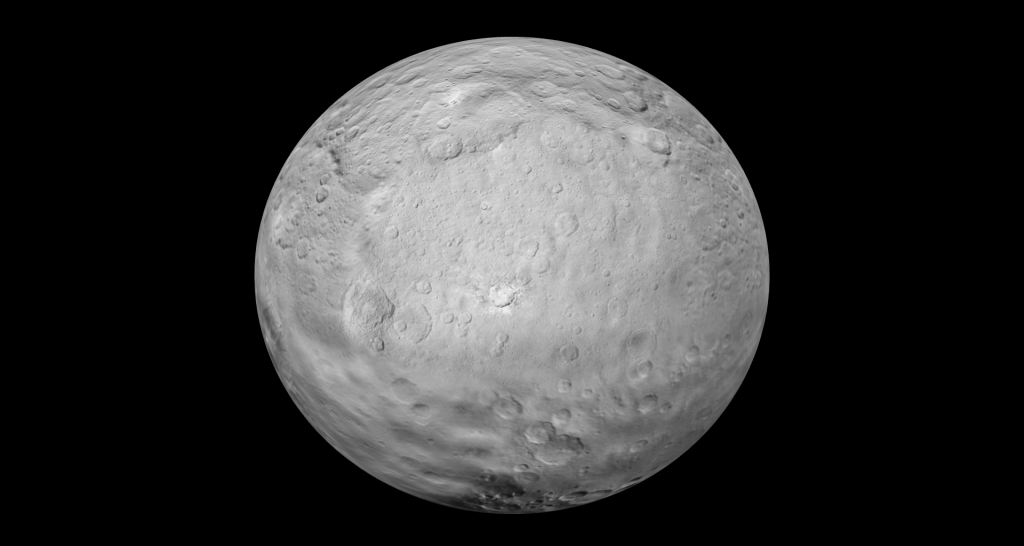
Vesta an asteroid. Back-to-back Bellybuttons and is a semi-diamond shaped, from an Umbilical.
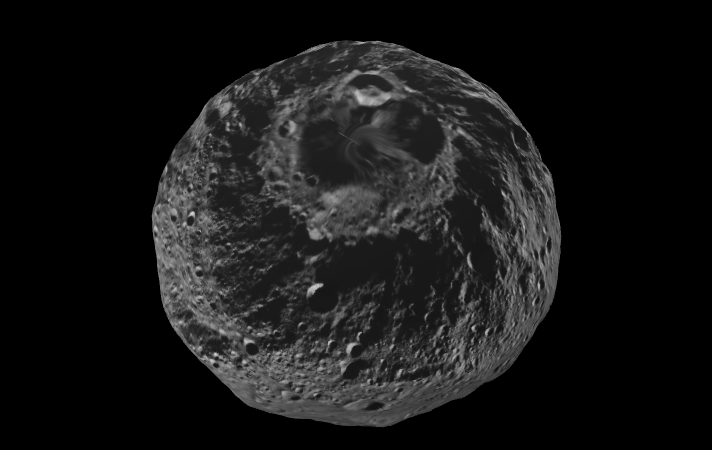
Bennu and Ryugu Asteroids. Diamond shaped asteroids from an Umbilical.
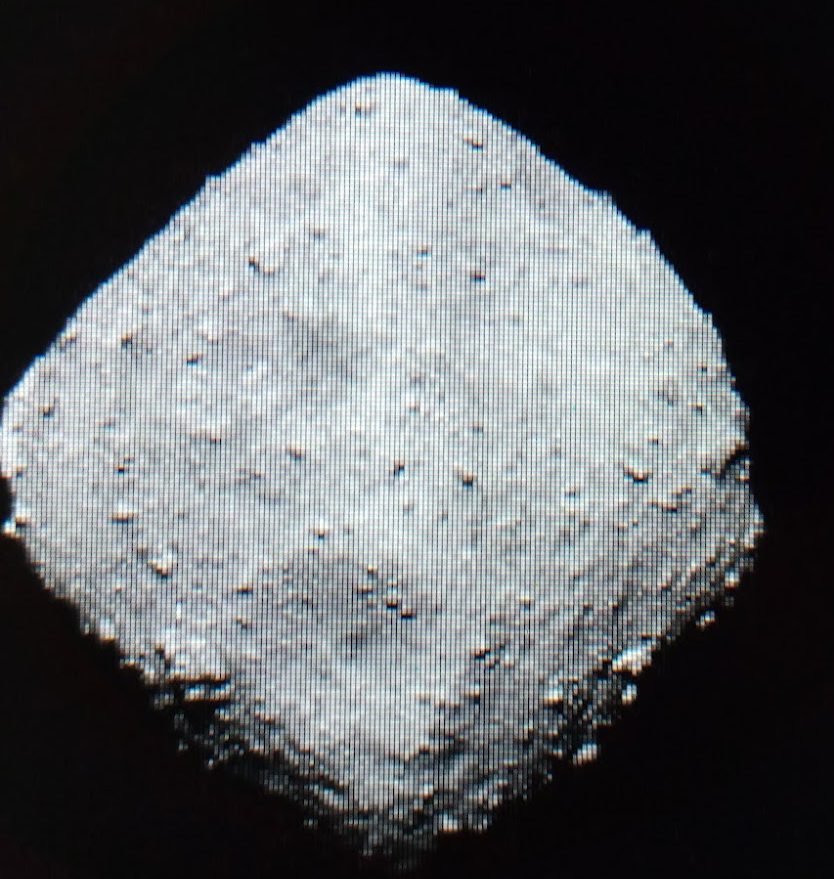
Bennu and Ryugu are from the freezing of an Umbilical that froze in its process of physics when separating from its host and transforming this slurry of stardust into frozen diamond shaped asteroids.
Stay tuned for updates to The Creation of Our Solar System, we are constantly discovering new additions to our research.
Please stay tuned for updates on our YouTube channel @DSPFVstudio for our latest posting. Be sure to visit www.ediisun.com to read any updates, additions on the full version of the DiPietro Hypothesis. If you don’t agree with anything let us know in the comments. This is a continuous learning process.
D.T. Smith and S.B. DiPietro
DiPietro Hypothesis
The Creation of Our Solar System and Life on Earth
Copyright 2024